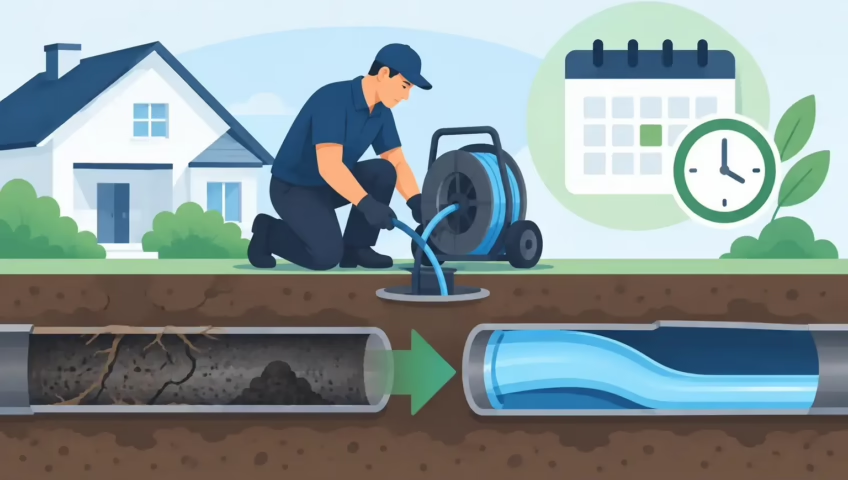
A drain can be cracked, displaced or invaded by roots for years before it causes a dramatic blockage. Then one day the toilet backs up, wastewater appears outside, or a smell will not shift. That is why drain relining timing matters. Acting at the right point can protect your home, business and budget without digging up a garden, driveway or trading area unnecessarily.
Relining is a no-dig drain repair that creates a new, durable lining inside a damaged pipe. It is often a cleaner alternative to excavation, but it is not automatically the answer to every drain fault, and it is not always an emergency. The right time to reline depends on what is happening underground, how quickly the problem is worsening and how much risk there is if you wait.
What drain relining timing really depends on
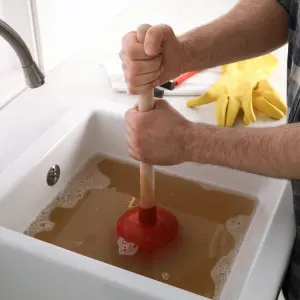
The visible problem is only part of the picture. A blocked drain may be caused by wipes, fat, scale or a one-off obstruction that can be cleared. In that case, relining is unlikely to be needed. But repeat blockages in the same section of pipe often point to a structural issue, such as cracks, root ingress, displaced joints or a partial collapse.
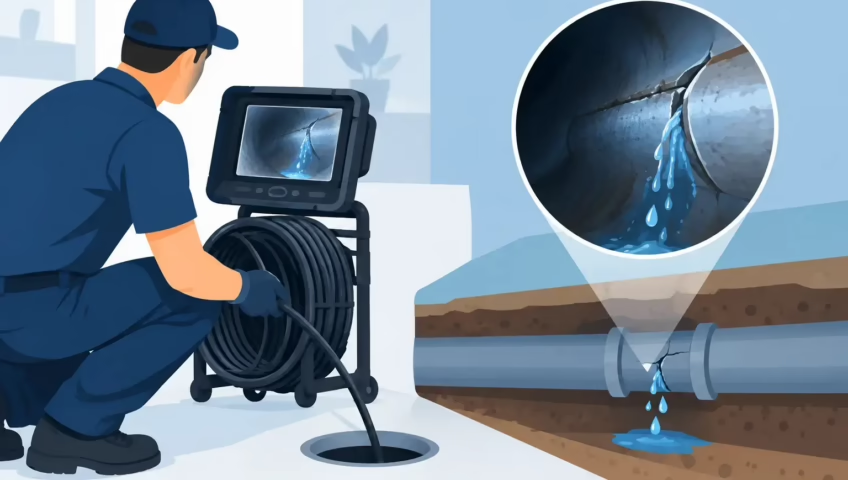
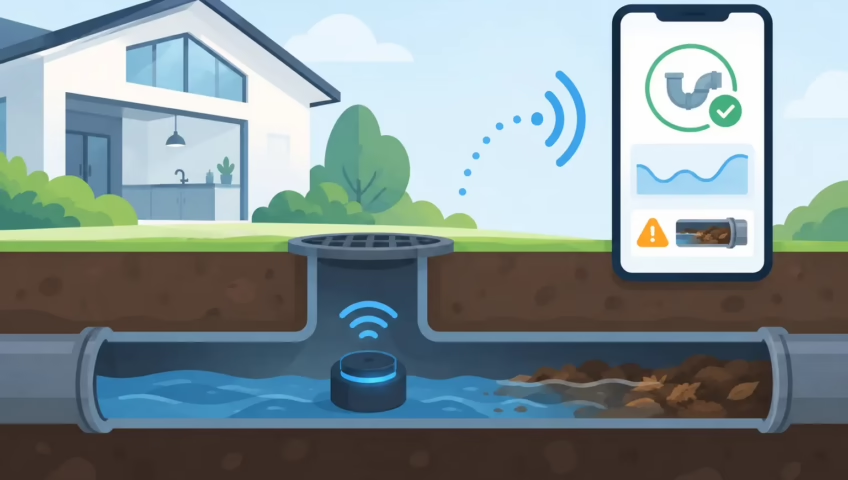
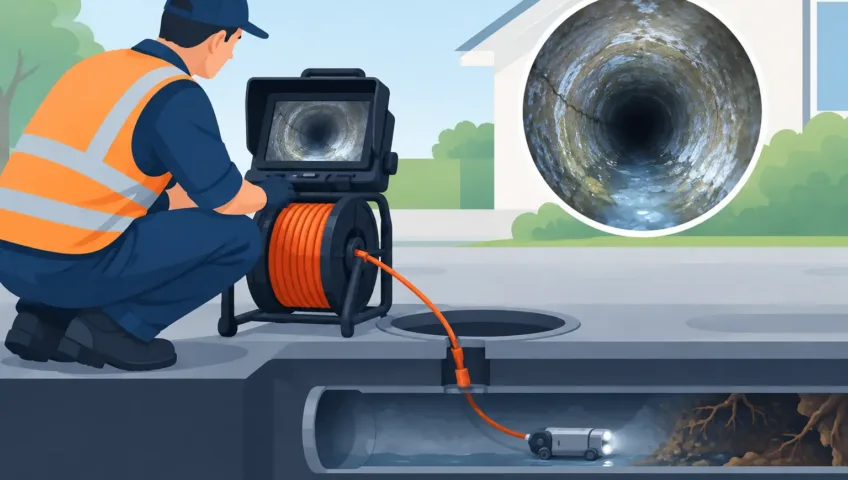
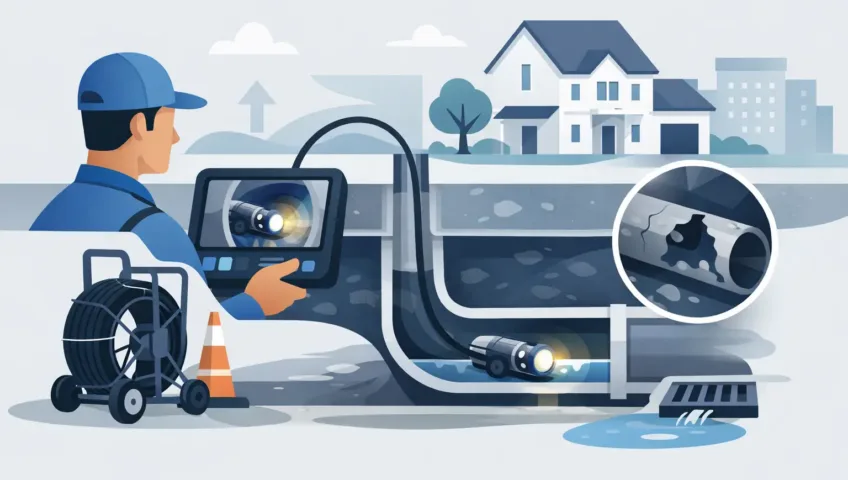
A professional CCTV drain survey gives the clearest answer. A camera lets an engineer see the condition of the pipe, locate the fault and assess whether cleaning, patch relining, full relining or excavation is the sensible repair. It also stops you paying for work based on guesswork.
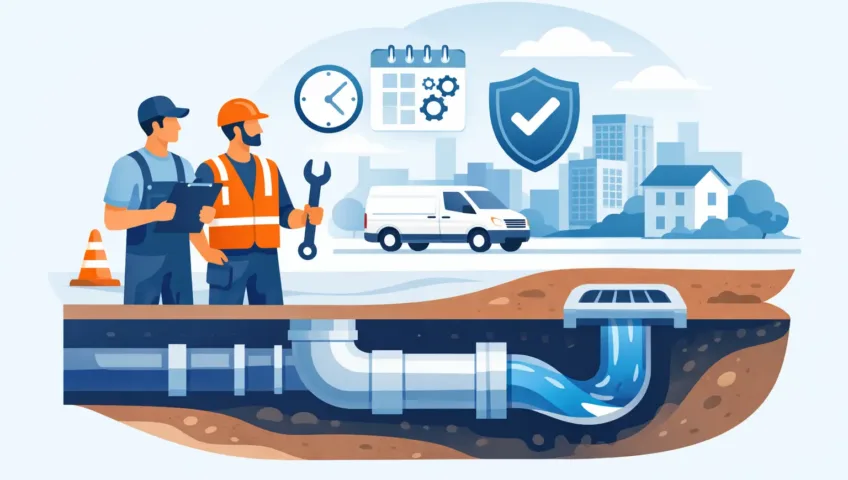
Timing will usually come down to four questions: is the drain still flowing, is sewage escaping, is the damage getting worse, and would a failure disrupt the property? A small crack in a private garden drain may allow time to plan a repair. A damaged pipe serving a busy restaurant kitchen, rented block or ground-floor toilet needs much quicker attention.
When relining should be arranged quickly
You should not wait for a complete collapse before taking action. Drain damage rarely improves on its own, and continued use can turn a manageable repair into a more disruptive job.
Repeated blockages after professional clearing
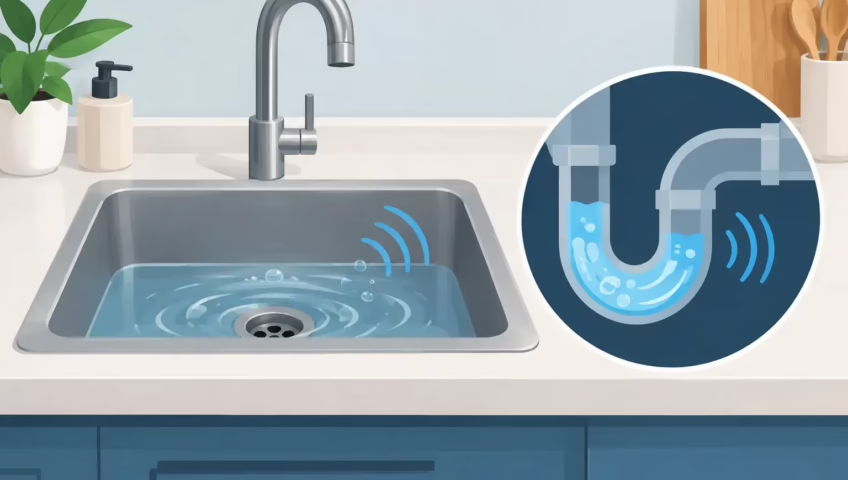
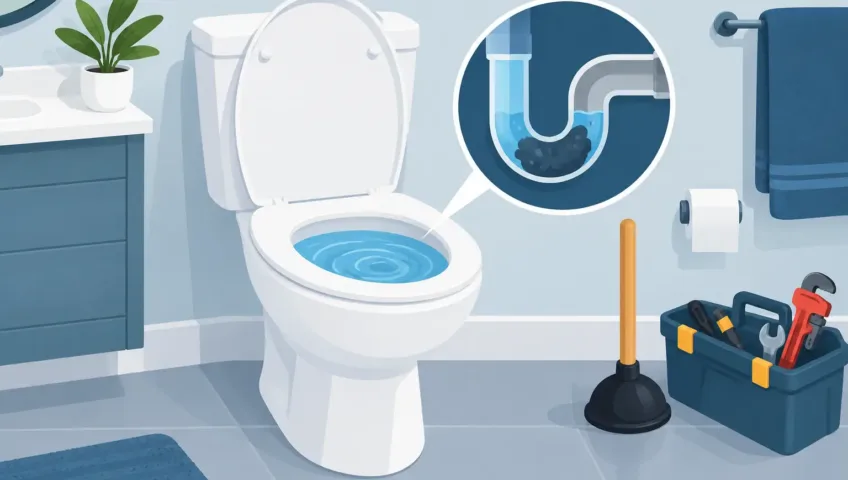
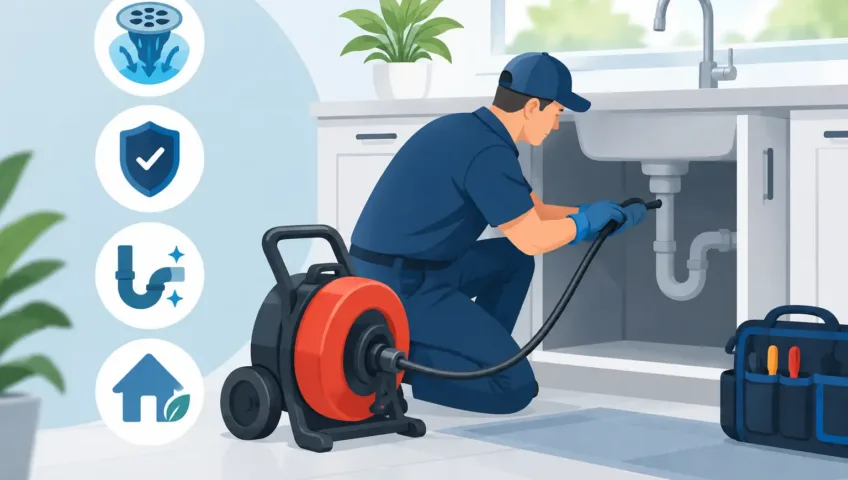
If a drain blocks again shortly after it has been properly cleared, there is usually a reason. Roots may be catching paper and waste, a displaced joint may be creating a ledge, or a crack may have allowed soil into the pipe. Clearing restores flow for the moment, but it does not fix the defect.
This is often the best time for relining. The pipe is still broadly intact, access is usually straightforward and the repair can be planned before wastewater backs up into the property. For landlords and property managers, it can also reduce repeat call-outs and tenant disruption.
Root ingress is visible on a CCTV survey
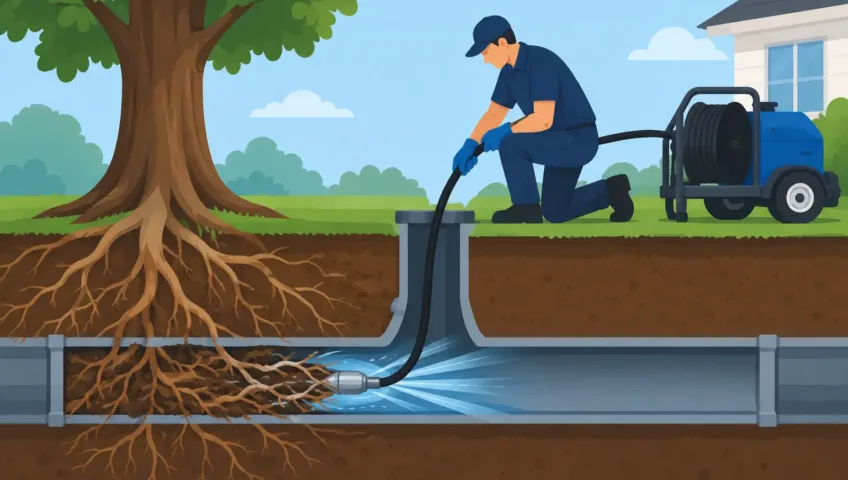
Tree roots naturally seek moisture. Even a small gap at a pipe joint can attract fine roots, which grow thicker over time and trap debris. Root cutting can reopen the drain, but it is generally a temporary measure if the entry point remains.
Once roots have been removed and the pipe is suitable, relining seals the defective joints or cracks to help prevent them returning. Leaving it through several seasons can give the roots more time to spread and distort the pipework.
Damp ground, foul odours or signs of leakage
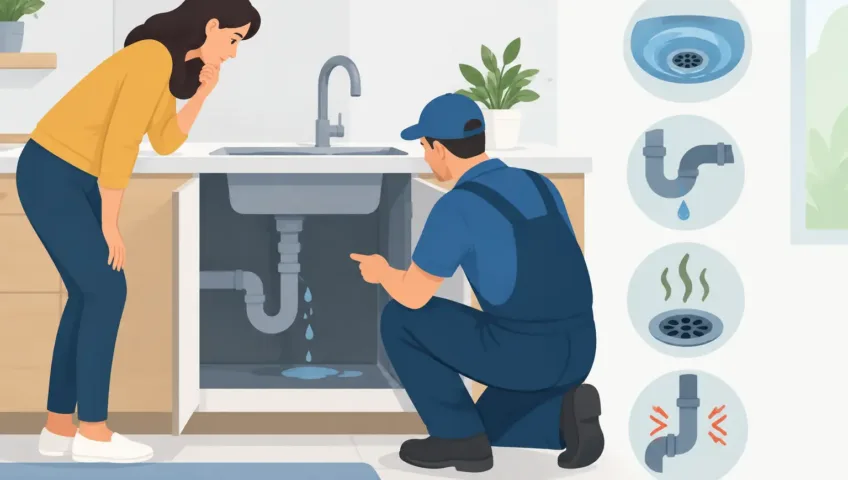
A damaged underground drain may leak before it blocks. Persistent foul smells outside, unexplained damp patches, soft ground, subsidence around drainage runs or water pooling in dry weather all deserve investigation. On commercial sites, leaks can create hygiene and safety concerns as well as operational headaches.
Where wastewater is escaping, the timing becomes more urgent. The priority is to identify the source, make the area safe and prevent further contamination. A CCTV survey will establish whether a liner can restore the pipe or whether the damage is too severe for a no-dig repair.
Before building work or a property sale
If you are planning an extension, a new driveway, landscaping or a change of use at commercial premises, sorting an identified drain defect first is usually the practical choice. It is far easier to access and repair a pipe before fresh paving, flooring or planting goes down.
The same applies when selling or buying a property. A drainage issue found late in the process can cause delays and uncertainty. Arranging a survey and addressing a confirmed defect gives you a clear record of the work completed and avoids an unpleasant surprise after completion.
When it may be reasonable to monitor the drain
Not every imperfection needs relining immediately. A CCTV survey might show a minor crack, slight joint movement or early scale build-up in a drain that is flowing well and showing no sign of leakage. If the pipe has enough structural integrity, an engineer may recommend planned monitoring and routine cleaning instead.
This can be a sensible option where budgets are tight or access is complicated, provided you understand the risk. Monitoring does not mean ignoring the problem. Keep an eye on slow drainage, recurring smells, gully flooding and any return of blockages. If symptoms change, book another inspection promptly.
For commercial properties, planned maintenance is particularly useful. Regular cleaning and surveys can reveal deterioration before it affects customers, staff or trading hours. A short, scheduled visit is usually easier to manage than an emergency closure on a Saturday afternoon.
Can a damaged drain wait until normal working hours?
It depends on the symptoms. If sewage is backing up into sinks, toilets or floor drains, water is flooding the property, or a drain is overflowing outside, do not wait. Stop using affected fixtures where possible and arrange urgent drainage assistance. The immediate job may be unblocking, cleaning or containing the issue, with relining scheduled once the pipe has been inspected and prepared.
If the drain is still running but is slower than usual, avoid putting extra strain on it. Do not pour fats, oils, chemicals or large quantities of water into the system in the hope of forcing a blockage through. Harsh drain cleaners can be dangerous and may not reach the actual fault.
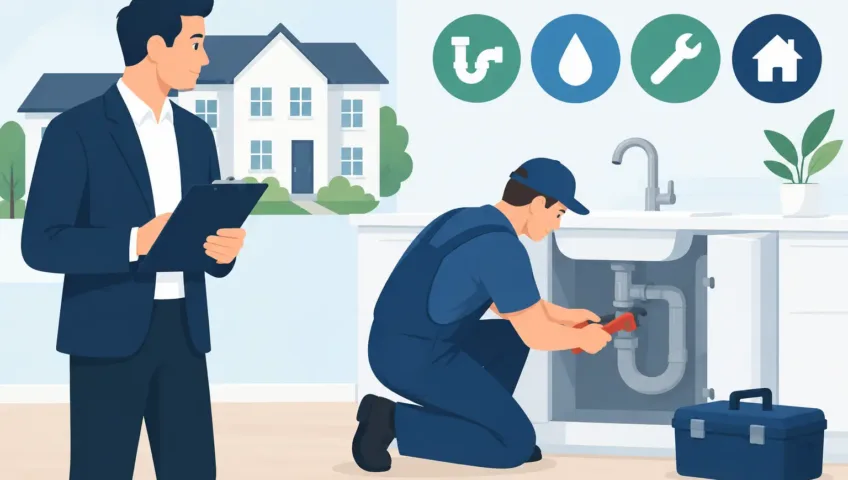
A clear explanation matters here. You should know whether you are paying for emergency clearance, a survey, a temporary measure or a permanent repair before work begins. A reliable drainage contractor will talk you through the findings and the available options in plain English.
Why acting early can be cheaper
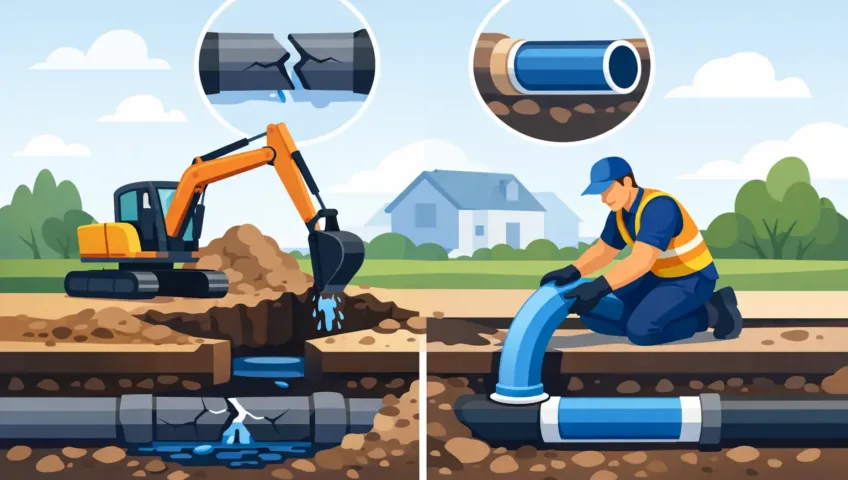
Relining is often chosen because it avoids the disruption associated with excavation. There may be no need to dig across a lawn, lift a patio or break up a driveway to reach the damaged section. That can save time, reinstatement costs and disruption, particularly at occupied homes or working premises.
However, a liner needs a suitable pipe to work with. If the drain has fully collapsed, has severe deformation, or is badly misaligned, excavation may be necessary. Waiting until that point can mean a larger repair, more site disruption and a longer period dealing with the problem.
Early action is not about rushing into the most expensive option. It is about using evidence from the survey to choose the least disruptive repair while it is still viable. Sometimes that will be a local patch liner. Sometimes it will be a full-length liner. Occasionally, digging is the honest and safest recommendation.
How to plan a drain relining repair
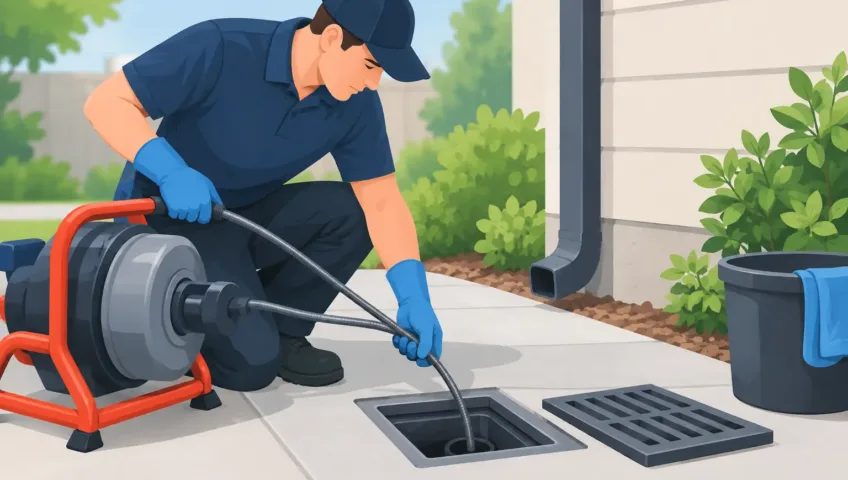
Once relining has been recommended, the work normally begins with thorough cleaning. High-pressure water jetting removes scale, debris and roots so the liner can bond correctly. The pipe is then measured, the liner is prepared and installed through an existing access point, such as a manhole or inspection chamber.
The liner is cured in place, creating a smooth new internal surface. A final CCTV check should confirm that the repair is properly positioned and that flow has been restored. The exact duration depends on the length, depth and condition of the drain, plus site access, but no-dig work is commonly far quicker and tidier than opening up the ground.
If you are responsible for a rental property, site or business, ask for the survey findings, the scope of repair and any warranty details in writing. This helps you plan access, communicate with occupants and keep a useful maintenance record.
At Absolute Drainage, our engineers can assess the problem with CCTV technology, explain the options honestly and carry out no-dig repairs where they are suitable. Whether it is a recurring domestic blockage or a drainage issue affecting a commercial site, getting clear evidence early gives you more control over the repair.
If a drain is repeatedly blocking, smelling or showing signs of leakage, do not wait for a bigger mess to force the decision. Arrange an inspection, understand the condition of the pipe and deal with the fault at a time that works best for your property.