Why Book a Preventative Drain Cleaning Service?

Why Book a Preventative Drain Cleaning Service?

A blocked toilet on a Sunday morning, foul smells in a kitchen, or water rising from an outside gully rarely comes out of nowhere. In many cases, the drain has been slowly collecting grease, wipes, scale, leaves or debris for weeks. A preventative drain cleaning service deals with that build-up before it becomes an expensive, disruptive emergency.

For homeowners, landlords and businesses, planned cleaning offers something simple but valuable: fewer surprises. Rather than waiting until wastewater will not drain away, a trained engineer clears and checks the system at sensible intervals, helping it keep doing the job it should.

What is a preventative drain cleaning service?

Preventative drain cleaning is scheduled maintenance for the drains, pipes, gullies and waste systems on your property. The aim is not merely to shift an existing blockage. It is to remove the material that is likely to cause one, while checking for early warning signs such as slow flow, root ingress, damaged pipework or recurring deposits.

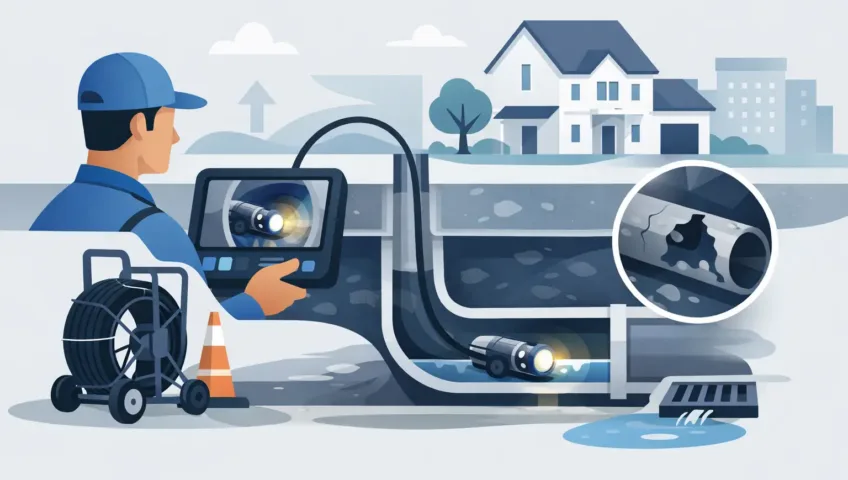
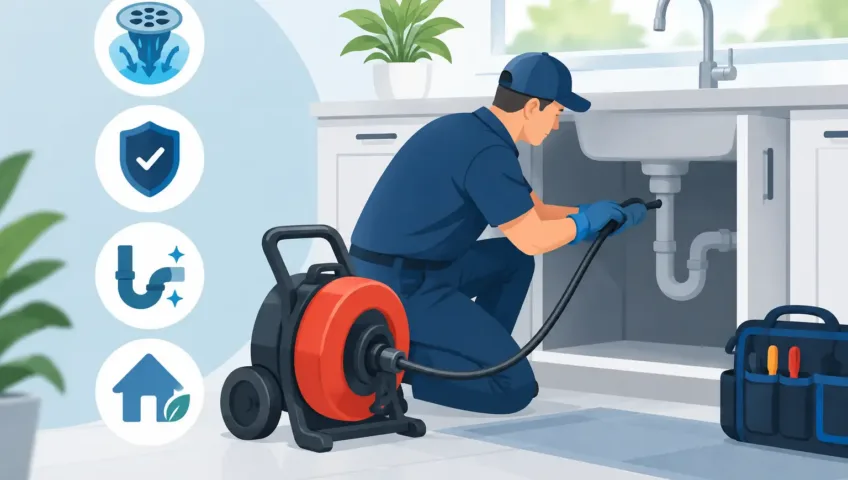
The work may involve high-pressure water jetting, mechanical cleaning, gully clearance and, where there is a concern beneath the surface, a CCTV drain survey. The right method depends on the property and the condition of the drain. A domestic kitchen line needs a different approach from a restaurant grease line or a busy commercial yard with gullies collecting silt and litter.

Good maintenance is practical, not one-size-fits-all. A small household with careful habits may only need an occasional check, while a food business or multi-occupancy building may benefit from a regular planned schedule.

The warning signs you should not ignore

You do not need drainage knowledge to spot the early clues. Water taking longer to empty from a sink, shower or bath is often the first sign that waste is restricting the pipe. Bad smells can mean food residue, grease or stagnant water is sitting in the line. Gurgling sounds from plugholes or toilets can also point to poor airflow or a developing blockage.

Outside, look out for gullies that hold water long after rain, wet patches near drains, overflowing covers, or leaves and debris building up around grates. These issues can become much more serious during heavy rainfall, when a partially blocked system has no capacity left to cope.

For landlords and property managers, repeat call-outs from the same property deserve attention. Clearing a blockage may restore flow for the day, but repeated trouble can indicate a deeper issue, poor pipe condition or a cleaning frequency that no longer suits how the building is used.

Why planned cleaning costs less than waiting

Emergency drainage work is there when you need it, and a rapid response can prevent a difficult situation from getting worse. But prevention usually gives you more control. You can arrange access, choose a suitable time and deal with minor build-up before it causes flooding, loss of facilities or damage to finishes and stock.

For a household, that might mean avoiding sewage backing up into a shower tray or a kitchen sink becoming unusable before guests arrive. For a café, restaurant or pub, it can mean avoiding a closed kitchen, unpleasant odours near customers, or a hygiene issue during a busy service. Offices, schools, warehouses and managed properties face similar risks when shared toilets, staff areas or external drainage are affected.

There is a trade-off. Not every drain needs frequent jetting, and unnecessary work is not good value. The best plan is based on the age of the system, what goes into it, the number of people using it, its history of blockages and the surrounding environment. A property beneath mature trees, for example, may need more attention to root ingress and leaf-filled gullies than a newer home with clear external runs.

What a professional visit should include

A proper maintenance visit begins with a clear discussion about what has been happening on site. If there have been slow drains, smells or recent blockages, the engineer should take those details seriously rather than simply clean the nearest access point.

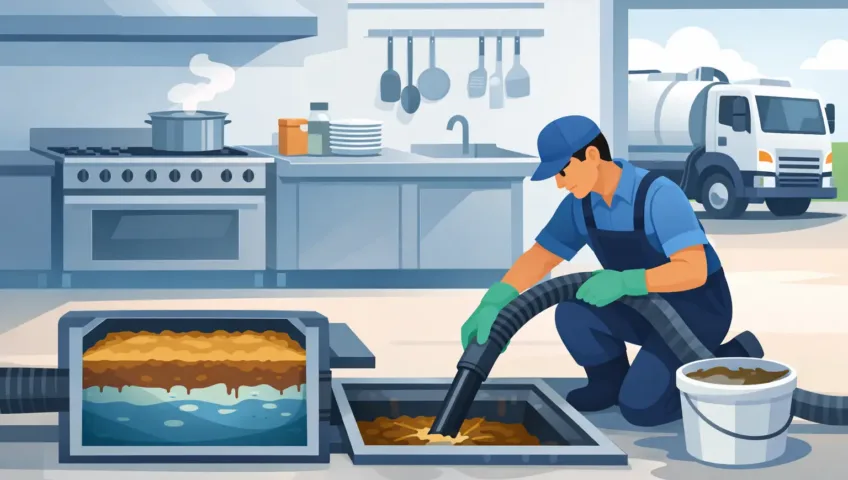
The drains are then cleaned using suitable equipment. High-pressure water jetting is often effective for removing grease, fat, scale, silt and general debris from drainage runs. Gullies may be cleared of leaves, mud and rubbish so rainwater can flow away as intended. Where the symptoms suggest a defect, a CCTV survey can show what is happening inside the pipe without unnecessary digging.

Just as importantly, you should be told what was found and what it means. Is the issue routine build-up? Is there a cracked section of pipe? Are roots entering the drain? Is a particular sink line regularly receiving grease or unsuitable materials? Honest explanations help you decide whether regular cleaning is enough or whether a repair should be considered.

At Absolute Drainage, the focus is on giving customers a straightforward picture before work begins, with modern equipment used to keep disruption to a minimum. If a problem cannot be solved by cleaning alone, identifying it early can prevent a much bigger repair later.

Preventative drain cleaning for homes and landlords

Domestic drains collect more than most people realise. Cooking fat may be poured away while warm and liquid, then cool and harden inside the pipe. Soap residue and hair gather in bathroom waste pipes. So-called flushable wipes, sanitary products and cotton buds can snag inside bends and joints, creating a net for other debris.

A planned clean is particularly worthwhile where a home has a history of blocked drains, an older drainage system, large trees nearby, or several people sharing bathrooms and kitchens. It can also offer reassurance before a house sale, a new tenancy or a period when a property will be empty.

Landlords should consider maintenance as part of protecting both the property and the tenant experience. A blocked drain is stressful for everyone, especially if it affects a toilet or causes foul water to overflow. Scheduled cleaning and clear records can reduce avoidable call-outs and make it easier to spot a developing structural issue across a portfolio.

Commercial drain maintenance protects trading

Commercial drainage has a different pressure point: downtime. A business may be able to manage a slow sink briefly, but not a kitchen that cannot wash up, a customer toilet that is out of order, or a loading area that floods every time it rains.

Food premises often need regular attention because fats, oils and grease can build up quickly. Retail units and offices may need gully cleaning to prevent external flooding, while industrial sites can collect silt, wash-down residue and debris in drainage runs. The correct schedule should fit the way the site operates, including quieter trading hours where possible.

For property and facilities managers, planned servicing also makes budgeting simpler. Instead of reacting to each emergency, you can create a maintenance programme around the areas most likely to cause disruption. If an urgent issue does arise, it is useful to have a drainage contractor that already understands the site.

Simple habits that support cleaner drains

Professional cleaning works best alongside sensible daily use. Keep cooking fat, oil and grease out of sinks, scrape plates into the bin, and use strainers to catch food and hair. Only toilet paper should be flushed, even where a product claims to be flushable.

Outside, keep leaves and litter away from gully grates, especially in autumn and before periods of heavy rain. Do not use harsh chemical drain cleaners as a routine fix. They may fail to remove the real obstruction, can be unpleasant to handle and may not be suitable for every pipe material or drainage problem.

If water begins backing up, stop using the affected appliance or fitting where possible. That simple step can prevent more water entering a restricted pipe while you arrange help.

When to book and when to call urgently

Book preventative maintenance when drains are working but showing early signs of sluggishness, odours or repeat minor blockages. It is also sensible to arrange it ahead of winter, after major building work, before opening a new commercial site, or as part of an ongoing property maintenance plan.

Call for urgent help if sewage is backing up, a toilet is overflowing, wastewater is entering the property, or flooding is creating a safety risk. Do not panic – the priority is to limit further use, keep people away from contaminated water and get an experienced drainage engineer on the case.

A planned visit cannot guarantee that a drain will never block again. Unexpected items, storms, collapsed pipework and root growth can still cause trouble. What it can do is reduce the likelihood of preventable blockages and give you a much clearer view of the condition of your drainage.

The best time to deal with a drain is when it is still quietly doing its job. Arrange a preventative clean before the next slow sink, bad smell or overflowing gully turns a manageable task into a disruption you did not need.

Blocked Drain Warning Signs You Shouldn't Ignore

Blocked Drain Warning Signs You Shouldn’t Ignore

A blocked drain rarely starts with water pouring across the floor. More often, the first blocked drain warning signs are easy to dismiss: a sink taking a little longer to empty, an odd smell near the shower, or a toilet that gurgles after flushing. Acting at this stage can save you from a messy, disruptive emergency later on.

For homes, rental properties and busy commercial premises, drainage problems can escalate quickly. Wastewater has to go somewhere. If it cannot travel through the pipework as it should, it may back up into your property, overflow from an outside gully, or expose a deeper fault in the drain. Don’t panic, but do pay attention to the change.

The blocked drain warning signs to look out for

Water draining slowly

A basin, bath, shower or kitchen sink that drains slowly is one of the most common early clues. In a single fitting, the cause may be local build-up from soap, hair, food waste or grease. In a kitchen, fats and oils are particularly troublesome because they cool and harden inside the pipe.

If several fixtures are draining slowly at once, the issue may be further along the system. For example, a slow toilet, bath and sink can point to a blockage in the main drain rather than in one waste pipe. That is a good time to arrange a professional inspection rather than repeatedly using chemical products.

Gurgling sounds from toilets or plugholes

Drains should move water away quietly. Gurgling, bubbling or glugging usually means air is being trapped or forced back through the pipework by a partial blockage. You may hear it when the washing machine empties, when the bath drains, or after flushing the toilet.

A single brief noise is not always an emergency, especially in older properties. Repeated gurgling, however, should not be ignored. It can be an early indication that the pipe is narrowing with waste, scale, wipes or debris, and it often gets worse rather than better.

Unpleasant smells indoors or outside

A stale, sewage-like smell near a drain, toilet, sink or outside gully is never something to mask with air freshener and forget about. Odours can develop when food residue, grease or stagnant water sits in a pipe. They can also occur where a drain is blocked and gases cannot vent as intended.

Outside smells deserve the same attention. If the area around a manhole cover, gully or septic tank smells unusually strong, there may be a blockage, an overflowing chamber or a maintenance issue. Landlords and property managers should take reports of persistent smells seriously, particularly in shared buildings where a fault can affect several occupants.

Water coming back up

Water rising in the shower tray when you flush the toilet, or appearing in the sink when the washing machine runs, is a clear sign that drainage is restricted. The wastewater is meeting resistance and finding the easiest route back.

This is no longer a minor inconvenience. Stop using the affected fittings where possible and call a drainage engineer. Continuing to run water can turn a manageable blockage into internal flooding, especially if the lowest point in the property is a shower, utility room or ground-floor toilet.

An overflowing gully or manhole

Outside gullies are designed to take surface water away from patios, driveways and paths. If one is holding standing water, overflowing during normal use, or releasing waste onto the ground, the drain needs attention. The same applies to a manhole cover that appears wet around the edges or has wastewater surfacing nearby.

Heavy rain can make an existing problem more visible, but rain is not always the cause. Leaves, silt, mud and garden debris commonly block gullies, while a drain chamber may be full because of a downstream obstruction. Keep children and pets away from contaminated water and avoid lifting manhole covers yourself.

Toilet trouble that keeps returning

A toilet that flushes weakly, fills higher than usual, empties slowly or needs more than one flush may have a blockage in the pan or soil pipe. If a plunger clears it once and the same problem quickly returns, there is likely more going on than a simple obstruction close to the toilet.

Never flush wipes, sanitary products, cotton buds, nappies or excess toilet paper to test whether it has improved. Even products described as flushable can catch on pipe joints and combine with fat, scale and other waste. Only toilet paper and human waste should go down the loo.

Why waiting can cost more

Partial blockages often allow some water through, which makes them tempting to put off. The trade-off is that every shower, flush, dishwasher cycle and rainy day can add more material to the obstruction. In commercial kitchens, grease can build up quickly enough to affect trading, staff facilities and hygiene standards.

A delay can also hide a structural problem. Roots may have entered a cracked drain, a pipe may have shifted, or an older clay drain may be damaged underground. Clearing the blockage may restore flow, but repeated blockages in the same place usually warrant a CCTV drain survey to find the actual cause.

Modern camera inspections allow engineers to see inside the drainage system without unnecessary digging. Where repairs are needed, no-dig methods can sometimes repair sections of pipe with far less disruption than a full excavation. It depends on the location, condition and extent of the damage, but an accurate diagnosis gives you a fairer route to the right repair.

What to do before help arrives

First, limit the amount of water going into the affected drain. Do not run washing machines or dishwashers, take long showers, or keep flushing a toilet that is already struggling. If wastewater is backing up indoors, move towels, toiletries and valuables away from the area and keep people clear of contaminated water.

You can remove visible hair from a plughole or clear leaves from the top of an outside gully if it is safe to do so. Avoid poking tools deeply into pipes, removing drain covers, or mixing chemical drain cleaners. Strong chemicals can damage some pipework, create fumes and make the work more hazardous for whoever attends afterwards.

If you live in a flat or manage a commercial building, find out whether neighbouring properties are affected. One isolated sink may be a local issue. Several properties with slow drains or overflowing chambers suggest a shared drain or sewer problem, which needs prompt professional attention.

When to call an emergency drainage engineer

Call straight away if sewage is coming into the property, a toilet is overflowing, an outside drain is flooding, or water is affecting electrics, stock, access routes or customer areas. Businesses should also act quickly where staff toilets are unusable, foul smells are reaching public spaces or drainage issues could create a slip hazard.

For less urgent symptoms, book an inspection before they develop into a call-out at the worst possible time. Absolute Drainage provides 24/7 support for blocked drains, with trained engineers who explain the problem clearly before work begins. A proper clearance and, where needed, a camera survey is usually safer and more cost-effective than repeatedly treating the symptoms.

Preventing the next blockage

Good habits make a real difference. Keep cooking fat, oil and food scraps out of the sink, use a hair catcher in showers, and clear leaves from gullies before autumn rain builds up. Properties with septic tanks, busy kitchens or recurring drainage issues benefit from planned emptying, cleaning and maintenance rather than waiting for an emergency.

The most useful rule is simple: if your drains sound, smell or behave differently, trust your instincts. Calling while the water is still draining slowly is far easier than dealing with it after it has nowhere left to go.

Landlord Drain Maintenance Responsibilities

Landlord Drain Maintenance Responsibilities

A tenant reports that the toilet will not flush, water is rising in the shower tray, or a foul smell has appeared outside the back door. For a landlord, the question is rarely just how to fix it. It is who is responsible, how quickly it needs sorting, and whether the cost can fairly be passed on. Landlord drain maintenance responsibilities usually cover keeping the property’s drainage system safe, working and free from defects – but the cause of the blockage matters.

A drainage problem can quickly become a property damage, hygiene and tenant-safety issue. Acting early protects the home, avoids a much larger repair bill and shows tenants that their report is being taken seriously.

What are a landlord’s drain maintenance responsibilities?

For rented homes in England, landlords generally have a duty to keep installations for sanitation in repair and proper working order. That includes toilets, sinks, baths, basins, soil pipes and the pipework that carries wastewater away from the property. In practical terms, if a drain has failed because of age, a cracked pipe, tree-root ingress, poor installation or a fault outside the tenant’s control, arranging the repair is normally the landlord’s responsibility.

This does not mean every slow-draining sink is automatically a landlord cost. A blockage caused by items that should not have entered the drainage system may be down to the tenant. Wet wipes, sanitary products, nappies, cooking fat, food waste and excessive toilet paper are common examples. The fair approach is to establish the cause before deciding who pays, rather than making assumptions while wastewater is backing up.

A landlord should also deal with defects that affect communal or shared drainage under their control. In a converted house, for example, that might mean a shared soil stack, external gully or drain run serving several flats. Leasehold arrangements can complicate this, as a freeholder or managing agent may be responsible for parts of the system. Check the lease and report the issue promptly while the responsibility is confirmed.

Repairing a blockage versus maintaining the drains

There is a useful difference between a one-off blockage and proper drain maintenance. A one-off blockage may be caused by tenant behaviour, an isolated accident or a hidden structural defect. Maintenance is the sensible work that reduces the chance of future failures, particularly at older properties, HMOs, busy family homes and commercial lets.

Regular maintenance can include clearing external gullies, removing leaves and silt, checking that rainwater drains away properly, emptying septic tanks where applicable, and arranging professional drain cleaning on properties with recurring blockages. If a drain repeatedly blocks, it is not enough to keep sending someone out with rods. A CCTV drain survey can identify root intrusion, displaced joints, scale build-up, collapsed pipework or an incorrect connection below ground.

This is where spending a little on diagnosis can prevent repeated call-out costs and tenant frustration. Modern camera surveys provide a clear view of what is happening underground, helping landlords make decisions based on evidence rather than guesswork.

Private drains, shared sewers and adopted pipework

Responsibility is not always as straightforward as the drain being inside or outside the boundary. Some pipework is private and remains the owner’s responsibility. Other shared sewers may be maintained by the local water company. The exact position depends on the drainage layout, ownership and whether the pipe is adopted.

If wastewater is escaping, a gully is overflowing or a toilet cannot be used, do not delay urgent action while responsibility is debated. Arrange attendance to make the property safe and prevent further damage, then use a drainage survey or the engineer’s findings to clarify the next step. Keep copies of invoices, photographs, survey footage and any communication with the tenant or managing agent.

When a tenant may be responsible

Tenants are expected to use the property in a tenant-like manner. For drainage, that means reporting warning signs early, taking reasonable care not to put unsuitable materials down toilets or sinks, and allowing access for repairs with appropriate notice.

A tenant may be liable where there is clear evidence that their actions caused the blockage. For example, an engineer may remove wipes, sanitary products or cooking fat from a pipe serving only that flat. Even then, handle the conversation carefully. A tenant may not know that products labelled as flushable can still cause serious blockages, and a shared pipe can make the source difficult to prove.

Landlords should avoid charging a tenant simply because the blockage happened during their tenancy. A drain may have been narrowing for years due to grease, scale, roots or a damaged joint. If there is doubt, investigate first. Clear reporting in the tenancy agreement can help: explain what must not be flushed or poured down sinks, how to report a blockage, and what happens in an emergency.

How quickly should a landlord respond?

There is no sensible reason to wait on a drainage emergency. A blocked toilet in a home with one toilet, sewage backing up into a bath, wastewater leaking inside, or flooding around an external gully needs urgent attention. These issues can make all or part of a property unhygienic and unusable very quickly.

A slow sink or minor gully issue may not require a middle-of-the-night visit, but it should still be booked in without unnecessary delay. The right response depends on the risk: sewage, flooding, loss of essential facilities and potential damage call for immediate action. Repeated bad smells, gurgling pipes and water draining slowly are warning signs worth addressing before they become an emergency.

Give tenants a clear reporting route and ask for useful information: which fittings are affected, when the problem started, whether water is rising or leaking, and whether there are visible signs outside. This helps a drainage engineer arrive prepared and may reduce disruption.

A practical maintenance plan for rental properties

For many landlords, the most cost-effective approach is not a fixed schedule for every property. It is a plan based on the age of the building, number of occupants, drainage history and the surrounding environment. A newer one-bedroom flat with no history of issues needs a different level of attention from an older HMO near mature trees.

At routine inspections, check external gullies for leaves, soil and standing water. Look for unpleasant odours, damp patches, slow-running waste, loose manhole covers and signs that rainwater is not clearing. Ask tenants whether they have noticed gurgling, recurring blockages or water backing up. These small questions often reveal a developing issue before it turns into a weekend emergency.

For properties with repeat problems, arrange professional drain cleaning and consider a CCTV survey rather than relying on chemical drain cleaners. Chemical products can be ineffective against a serious obstruction and may damage pipework if used repeatedly. They can also make conditions less safe for anyone working on the drain afterwards.

Keep a simple record for each property covering reports, works completed, survey findings and any advice given to tenants. It is useful for budgeting, helps demonstrate that concerns were handled responsibly, and makes it easier to spot a recurring fault.

Choosing the right drainage support

A landlord needs more than someone who can temporarily shift a blockage. Look for a drainage contractor that can explain the likely cause, use the right equipment, provide clear pricing and recommend the next step only where it is genuinely needed. For urgent work, availability matters too – sewage does not wait for office hours.

Absolute Drainage provides emergency and planned drainage work across England, with trained engineers able to unblock drains, clear gullies, carry out CCTV surveys and repair damaged pipework with minimal disruption where possible. For landlords and agents, having a dependable contact before an emergency happens can take much of the pressure out of a tenant’s call.

The best time to deal with a drain is when it is gurgling, smelling or draining slowly – not when wastewater has reached the floor. Respond fairly, investigate the cause and keep the system maintained, and both your property and your tenants are far less likely to face a preventable drainage crisis.

Does Drain Jetting for Tree Roots Really Work?

Does Drain Jetting for Tree Roots Really Work?

A drain that keeps backing up, especially after rain or when the washing machine empties, may have a problem beneath the garden rather than inside the house. Drain jetting for tree roots is often the quickest way to clear the immediate blockage, but it is not always the whole answer. Roots only enter a drain where there is already a gap, loose joint, crack or damaged section – so the right repair depends on what the pipe looks like once it is clear.

Don’t panic if wastewater is rising, toilets are slow to flush or an outside gully is overflowing. Tree-root blockages are common in older properties and can usually be dealt with without digging up the whole garden. The key is getting an experienced drainage engineer to clear the line safely, inspect it properly and explain what is needed before work begins.

Why tree roots get into drains

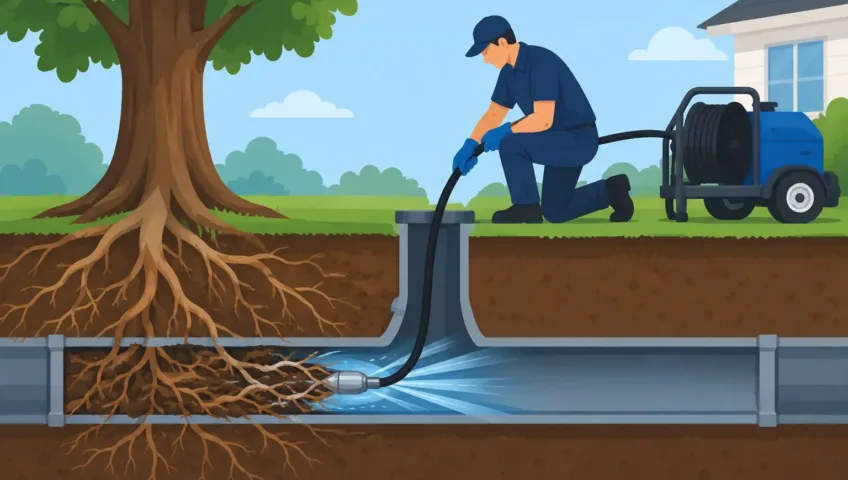
Tree roots are not drawn to healthy, watertight pipes. They find their way towards tiny amounts of moisture escaping through a defect, then grow through the opening over time. Once inside, the roots can spread into a dense mass that catches toilet paper, wipes, grease, soap residue and other debris passing through the drain.

Clay drainage pipes are particularly vulnerable because they are made up of shorter lengths joined together. Over many years, ground movement, ageing seals and nearby tree growth can open up the joints. Modern plastic pipework can also be affected if it has been cracked, poorly connected or damaged by building work.

The first warning is often an occasional slow drain. Then the issue becomes more regular: bad smells around an inspection chamber, gurgling plugholes, repeated toilet blockages or water sitting in an outside gully. If clearing the drain only solves the problem for a few weeks or months, roots should be investigated rather than simply treating each blockage as a separate fault.

How drain jetting for tree roots works

Professional drain jetting uses a high-pressure water jetting machine and specialist hose to break up and flush away blockages inside the pipe. The jetting head sends powerful water jets backwards to propel the hose through the drain while washing loose material back towards the access point.

For light to moderate root intrusion, the process can remove fine roots, silt and trapped waste effectively. A specialist root-cutting nozzle may be used where thicker root growth needs cutting back. The aim is to restore the pipe’s internal flow without excavation, giving you a working drain again as quickly as possible.

This is not the same as putting harsh chemicals down a toilet or attempting to force a domestic drain rod through a stubborn blockage. Chemicals rarely solve root ingress and may harm pipework or create a hazard for anyone working on the drain later. Aggressive rodding can also snag on roots or worsen a fragile pipe. Professional equipment should be selected and operated with the condition, material and layout of the drain in mind.

For a home or business dealing with sewage backing up, jetting can be a very practical first response. It is fast, targeted and far less disruptive than digging. For commercial premises, it can also help prevent a blocked toilet or overflowing gully from interrupting customers, staff and trading.

What jetting can fix – and what it cannot

Drain jetting removes the obstruction. It does not seal the point where the roots entered.

That distinction matters. If roots have entered through a slightly displaced joint but the drain remains structurally sound, a thorough clean followed by a suitable no-dig repair may provide a long-lasting solution. If the pipe has collapsed, fractured badly or has significant ground movement, jetting will get the water moving but the defect may need a more substantial repair.

Root growth can also return. How quickly depends on the type and proximity of the tree, the size of the defect, soil conditions and the condition of the drainage system. In some cases, routine preventative jetting is sensible while a landlord, homeowner or site manager plans repair work. In others, repeated cleaning becomes false economy because the blockage is likely to recur.

A trustworthy engineer should be clear about this. You should not be pushed into excavation when a lining repair could work, but you should not be told that a simple clean has permanently fixed a damaged drain either.

Why a CCTV drain survey is usually the next step

Once the roots and debris have been removed, a CCTV drain survey allows the engineer to see what is happening inside the pipe. A camera is fed through the drainage system, recording the condition of joints, connections and pipe walls.

This is the best way to confirm whether roots entered through an open joint, a crack, a displaced section or an older redundant connection. It can also reveal other issues hidden by the blockage, such as scale build-up, poor falls, displaced pipework or signs of collapse.

For property purchases, recurring problems or insurance discussions, a recorded survey can be particularly useful. It gives clear evidence of the issue rather than relying on assumptions from above ground. At Absolute Drainage, the focus is on explaining the findings in plain English, so you know whether the sensible next move is monitoring, maintenance, drain lining or excavation.

Repair options after roots have been cleared

The right solution should match the drain’s condition and the level of risk. A small localised defect may be repaired with a patch liner. This is a no-dig method that creates a new, sealed section inside the existing pipe, helping prevent roots from returning through that point.

Where several joints are affected or a longer run of pipe is worn, full-length drain lining may be more appropriate. A resin liner is installed within the pipe and cured to form a smooth new inner surface. It can avoid the mess and expense of lifting patios, landscaping or internal flooring, although it is not suitable for every collapsed or severely misshapen drain.

Excavation is sometimes unavoidable, particularly where a pipe has collapsed, has major structural damage or needs its alignment corrected. It is more disruptive, but it can be the most reliable long-term option when the existing pipework is beyond lining. An honest drainage contractor will set out the trade-off clearly, including access requirements, likely disruption and costs before work starts.

Can you prevent roots from blocking drains again?

You cannot control every tree near a property, and removing a tree does not always stop the problem immediately because established roots can remain in the ground. The more useful approach is to maintain the drain and deal with defects before they become a complete blockage.

If your property has mature trees close to the drainage run, consider periodic CCTV checks and planned jetting, especially if there is a history of root ingress. Keep inspection chambers accessible where possible, and avoid flushing wipes, fats, sanitary products or other material that gives roots something to trap. These items can turn minor root growth into a full sewage blockage far sooner.

Landlords and commercial property managers should pay particular attention to repeat callouts. A maintenance plan can be easier to budget for than emergency visits, customer complaints or a closure caused by an overflowing drain. Restaurants and food premises may also need regular cleaning for grease management as well as root control.

When to call for urgent help

Call for professional assistance promptly if sewage is backing up indoors, toilets cannot be used, drains are overflowing near entrances, or wastewater is affecting a business or neighbouring property. Keep children and pets away from contaminated water, avoid using sinks, toilets and appliances connected to the affected drain, and do not lift heavy inspection chamber covers unless it is safe to do so.

A blocked drain caused by roots can feel like a major disruption, but it does not automatically mean your garden needs digging up. Clearing the line, inspecting the damage and choosing a repair that suits the pipe gives you the best chance of stopping the problem properly – and getting your home or premises back to normal with minimum fuss.

How Often Should You Empty a Septic Tank?

How Often Should You Empty a Septic Tank?

A septic tank rarely gives much warning before it becomes a messy, expensive problem. One day everything appears normal; the next, toilets are slow to flush, drains smell unpleasant, or wastewater is backing up outside. Knowing how often to empty a septic tank is one of the simplest ways to avoid that disruption.

For most homes, a septic tank should be professionally emptied every 12 months. Some smaller households may be able to go longer, while busy family homes, rental properties and commercial sites may need a visit every six months. The right schedule depends on how the tank is used, not just its size.

How often should you empty a septic tank?

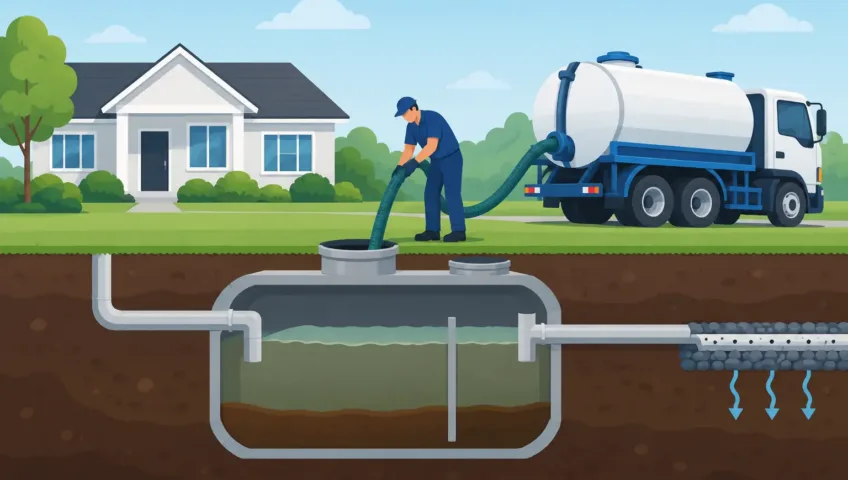
As a sensible starting point, arrange septic tank emptying once a year. This removes the settled sludge at the bottom of the tank and the floating layer of fats, oils and solids at the top. These layers build up gradually, leaving less space for wastewater to settle properly before it flows onwards to the drainage field or soakaway.

A tank that is left too long can send solids into the outlet pipework and drainage field. That can cause blockages, unpleasant odours and surface water pooling, but the bigger concern is damage to the soakaway. Repairing or replacing a failed drainage field is far more disruptive and costly than keeping on top of regular emptying.

If you have just moved into a property and do not know when the tank was last serviced, do not guess. Booking an emptying visit and checking the tank’s condition gives you a clear baseline for future maintenance.

A practical guide by property type

A one or two-person household with a correctly sized tank may only require emptying every 18 to 24 months. That said, annual emptying is often the safer choice where the age, capacity or condition of the system is unclear.

A typical family home usually needs annual emptying. Families use more water, run more washing loads and put more demand on toilets, showers and sinks. A property with frequent visitors, several bathrooms or teenagers at home may need closer monitoring.

Holiday lets, caravan sites, pubs, offices and other commercial premises need an individual schedule. Usage can change sharply during school holidays, events or busy trading periods. For these properties, a planned maintenance agreement is often more reliable than waiting until there is a problem.

What changes the septic tank emptying schedule?

Tank size matters, but it is not the only factor. A large tank serving a large family can fill faster than a smaller tank serving one person. The condition of the tank, its outlet and the drainage field also affect how well the system copes.

Water use is a major consideration. Long showers, frequent baths, large washing loads and leaking toilets can all increase the volume entering the tank. Excess water does not necessarily mean more sludge, but it can reduce settling time and put pressure on the system.

What goes down the drain matters just as much. Flushable wipes do not break down as advertised in a septic system, and neither do sanitary products, cotton buds, nappies or paper towels. Cooking fat, oils, bleach used excessively and harsh chemicals can create their own issues too. Fats can form a thick crust, while strong chemicals may interfere with the natural bacteria that help break down waste.

A septic tank is not a general rubbish bin. Keeping unsuitable materials out is one of the best ways to protect the tank between emptying visits.

Do not rely on additives to delay emptying

Many septic tank additives claim to reduce sludge or remove the need for professional emptying. Be cautious. A functioning tank already contains bacteria that break down organic waste, but no bottle can make sludge disappear indefinitely.

Some products can upset the balance inside the tank or simply mask an underlying issue. Regular, professional desludging remains the dependable approach. It protects the tank, the drainage field and the surrounding ground.

Signs your septic tank may need emptying sooner

Do not wait for wastewater to appear in the garden. By that point, the problem may have already reached the drainage field or pipework. If you notice a change in how your plumbing behaves, it is worth acting early.

Common warning signs include:

  • Toilets that flush slowly or rise higher than usual before draining
  • Gurgling from sinks, baths or internal pipework
  • Persistent drains smells indoors or around the tank and soakaway
  • Wet, boggy or unusually green ground near the drainage field
  • Water or sewage backing up through external drains or inspection chambers

These signs do not always mean the tank is simply full. A blockage, collapsed pipe, damaged outlet or failed soakaway can cause similar symptoms. A trained drainage engineer can explain what is happening and recommend the appropriate work rather than treating every issue as a routine emptying job.

What happens during professional septic tank emptying?

Professional emptying is straightforward when access is available. The engineer locates and opens the tank cover, assesses the contents, then uses a vacuum tanker and hose to remove sludge and liquid safely. The waste is transported for authorised disposal, and the tank can be visually checked for obvious concerns such as damaged covers, cracked chambers or blocked outlets.

Access can affect the job. If the tank is behind a locked gate, under overgrown vegetation or some distance from where the tanker can park, let the drainage team know when booking. Clearing access where it is safe to do so can help the visit run smoothly.

You should not attempt to enter, inspect deeply or empty a septic tank yourself. Septic tanks can contain harmful gases and are confined spaces. This work requires the correct equipment, trained operatives and legal waste handling procedures.

Emptying is maintenance, not a cure for every fault

If a tank fills unusually quickly soon after it has been emptied, something else may be wrong. It could be a leaking toilet, groundwater entering through a damaged tank, a blocked outlet, or a drainage field that is no longer dispersing wastewater properly.

Likewise, an empty tank will not repair cracked pipework or restore a saturated soakaway. In these cases, further investigation may be needed, often with a drain survey or checks of the tank and drainage field. Getting the cause right first can prevent paying for repeat callouts that do not solve the issue.

There are also rules around septic tank discharges in England. For example, septic tanks must not discharge directly to a watercourse. If you are buying a property, changing a system or concerned about an older installation, seek professional advice on whether the setup meets the relevant requirements.

Plan ahead instead of waiting for an emergency

Put the next emptying date in your calendar as soon as the current visit is complete. Keep any paperwork with your property records, particularly if you are a landlord, manage several sites or may sell the property in future. A simple record helps establish a sensible maintenance pattern and shows that the system has been looked after.

For homeowners, regular emptying is a small planned job that can prevent a very unpleasant emergency. For businesses and property managers, it helps avoid toilet closures, odours, disruption to staff and customers, and avoidable damage to the site.

If you are unsure whether your tank is due, seeing warning signs, or dealing with a sewage backup, do not panic. Absolute Drainage can assess the situation, explain the work clearly and arrange septic tank emptying or further drainage investigation where needed. Acting before the system overflows is the kindest option for your property, your neighbours and your wallet.

What Causes Drain Smells Indoors? 8 Common Faults

What Causes Drain Smells Indoors? 8 Common Faults

A drain smell can turn up without warning: you walk into the kitchen, bathroom or utility room and catch a whiff of stale sewage, rotten eggs or damp waste. If you are asking what causes drain smells indoors, the answer is often a small fault that can be put right quickly. But a persistent odour can also point to a blocked, damaged or poorly ventilated drain that needs professional attention.

Don’t panic, but don’t simply mask the smell with air freshener either. Drain odours are unpleasant for a reason. They can indicate that gases from the drainage system are finding a route back into the property, rather than safely leaving through the external pipework and soil vent.

What causes drain smells indoors most often?

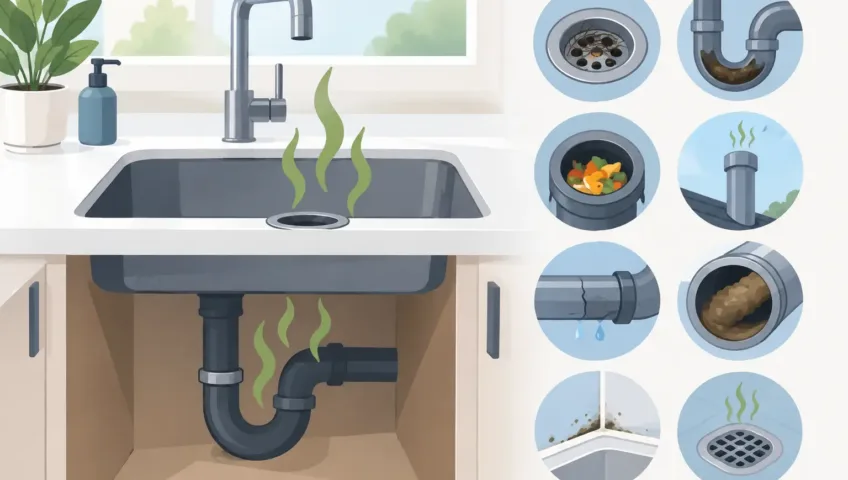
The most common cause is a dried-out trap. Every sink, basin, shower, bath and floor drain should have a U-shaped section of pipe, usually called a trap, containing water. That water acts as a seal between your home and the drainage system. When it evaporates, sewer gases can rise through the plughole.

This is especially common in guest bathrooms, empty properties, rarely used en-suites, utility sinks and floor drains in garages or commercial premises. Run water into the affected fitting for a minute or two, then see whether the smell improves over the following few hours. If it does, the trap was probably dry. Adding a small amount of mineral oil can slow evaporation in a drain that is rarely used, although regular flushing is usually the better long-term habit.

A smell coming from one fitting is generally easier to trace than an odour affecting several rooms. When more than one drain smells, the issue may sit further along the pipework or outside the building.

Build-up inside the waste pipe

Kitchen and bathroom waste pipes collect more than water. Soap residue, hair, toothpaste, food scraps, grease and washing-up liquid can stick to the inside of the pipe. Over time, bacteria feed on this build-up and create the familiar sour, musty or rotten smell.

You may notice that the sink still drains, just more slowly than it used to. That does not mean the pipe is clear. A partial blockage can allow enough water through while holding a layer of foul-smelling waste behind it.

Remove visible debris from the plughole and clean the plug, overflow opening and waste fitting. Flush with hot water where suitable for the pipework, but take care with boiling water around older plastic pipes. Avoid repeatedly pouring harsh chemical cleaners down the drain. They may not reach the real obstruction, can create fumes, and can make work more hazardous for anyone later clearing the drain.

A blocked or dirty external drain

If the odour is stronger near a ground-floor bathroom, kitchen, utility room or external doorway, an outside drain may be blocked or heavily silted. Leaves, fat, wipes, sanitary products and general debris can obstruct the line and leave wastewater sitting in the system.

Outside drains and gullies are designed to carry rainwater or wastewater away. Once they are blocked, smells can travel back through connected pipework. You might also see slow-draining sinks, gurgling noises, water sitting in a gully, or waste water rising when appliances are used.

Never put your hands into a drain chamber or try to force a blockage deeper using unsuitable rods. Blocked drains can contain contaminated water, and a badly handled blockage may damage pipework or cause an indoor backup. A drainage engineer can clear the line properly and check whether the blockage has exposed a larger problem.

Drain smells inside the house can be caused by poor venting

Your drainage system needs air as well as flowing water. Soil vent pipes release gases safely above roof level and help pressure stay balanced as water moves through the pipes. If a vent is blocked, damaged or incorrectly installed, water seals in traps can be pulled out or disturbed.

The usual clue is gurgling. A basin may bubble after a toilet is flushed, or a shower trap may smell shortly after the washing machine empties. This can happen because the system is struggling to draw in air, creating negative pressure that siphons water from a trap.

Birds’ nests, leaves and other debris can affect external vent pipes, but roof-level work is not a DIY job. Internal air admittance valves can also fail or be fitted in the wrong place. An engineer can assess the layout, test the drainage run and recommend the right repair rather than treating the smell alone.

Failed seals around toilets or pipes

A toilet that smells of drains, particularly at its base, may have a failed pan connector or seal. The toilet does not always leak water when this happens. Gases can escape through a small gap even when the connection appears dry.

Look out for a toilet that rocks slightly, a persistent smell after cleaning, staining around the base, or damp flooring nearby. Do not ignore these signs, particularly on a timber floor or in a rented property, as ongoing damp can damage the surrounding structure.

Loose or cracked pipe joints can create a similar problem under sinks, behind boxing or inside cupboards. If the smell is worse in a cabinet, check carefully for dampness, staining and drips. A visible leak needs prompt attention, but a hidden pipe fault may require a CCTV drain survey to find it without unnecessary excavation.

Other causes that are easy to miss

Sometimes the drain is not the main culprit. A dishwasher or washing machine can smell if its filter, hose or standpipe contains trapped residue. Clean the appliance filter in line with the manufacturer’s guidance and check that the waste hose has not slipped out of position or been pushed too far down the standpipe.

In kitchens, food waste in a sink overflow can smell surprisingly strong. In bathrooms, the build-up may be concentrated beneath a pop-up waste or around the shower trap. Commercial kitchens have their own risks: grease entering the drainage system can cause repeated odours and blockages unless grease management and routine cleaning are in place.

Properties with septic tanks or sewage treatment systems should take indoor odours seriously too. A full tank, failed pump, blocked outlet or overdue emptying can affect the way waste leaves the property. If drains are slow and smells are spreading, arrange an inspection rather than waiting for a backup.

When should you call a drainage engineer?

A one-off smell from a rarely used sink may disappear after running the tap. However, professional help is sensible when the odour returns, becomes stronger, affects multiple rooms or comes with slow drainage, gurgling, leaks or rising water outside.

Call urgently if sewage is backing up into a shower, sink or toilet, if contaminated water is pooling indoors, or if a commercial site has an odour that could affect staff, customers or food hygiene. Keep children and pets away from contaminated water, ventilate the room where possible, and avoid using toilets, washing machines or sinks connected to the suspected blockage until it has been assessed.

A proper visit should focus on the cause, not just the smell. Depending on the symptoms, this may involve clearing the drain, inspecting gullies, testing pipe connections or using a CCTV survey to check for cracks, root ingress, collapsed sections and stubborn internal build-up. No two properties are exactly the same, so the right fix depends on where the smell is entering and what the drainage system is doing at the time.

Absolute Drainage provides 24/7 support for blocked drains, foul odours, drainage repairs and CCTV investigations, with clear explanations before work begins. Whether it is one troublesome sink or a problem affecting an entire building, getting the source checked early is usually cleaner, quicker and less disruptive than waiting for the smell to become a blockage.

A fresh-smelling home should not require scented sprays to hide a drainage fault. If basic cleaning and refilling the trap do not solve it, trust what the smell is telling you and have the drainage system checked before a small issue turns into an unpleasant indoor emergency.

How to Unblock Toilet Drain Safely

How to Unblock Toilet Drain Safely

The water is rising, the flush has not cleared and there is no time for guesswork. Knowing how to unblock toilet drain safely can prevent an unpleasant overflow, but the wrong approach can turn a simple blockage into damage to the toilet, pipework or flooring. Don’t panic – start by stopping anyone from flushing it again.

If the bowl is close to overflowing, remove the cistern lid and push the rubber flap at the bottom of the cistern down to stop more water entering the bowl. If necessary, turn the small isolation valve on the water supply pipe clockwise. Put old towels around the base of the toilet, wear gloves and keep children and pets away while you assess the problem.

First, work out where the blockage is

A toilet that drains slowly or fills high after a flush is often blocked in the toilet trap – the curved section immediately behind the pan. This is usually caused by too much toilet paper, wipes, sanitary products, cotton buds, nappies or an object that has been dropped into the bowl.

If the toilet will not flush properly and nearby sinks, baths or showers are also slow, gurgling or backing up, the problem may be further along the soil pipe or in the external drain. A bad smell outside, a blocked gully or sewage appearing from a manhole are stronger signs of a drain blockage rather than a toilet-only issue. In that situation, forcing the toilet can bring wastewater back into the property.

How to unblock a toilet drain with a plunger

For a straightforward toilet blockage, a proper toilet plunger is the best first tool. It has a bell-shaped rubber cup or flange that creates a seal inside the outlet. A flat sink plunger rarely seals well enough to shift a toilet blockage.

Make sure there is enough water in the bowl to cover the plunger cup. Place the plunger over the outlet and press down gently first to release trapped air. Then use firm, controlled pushes and pulls for around 15 to 20 seconds. Keep the seal in place rather than lifting the plunger out of the water between strokes.

Pause and see whether the water level begins to fall. If it does, try one cautious flush. Do not hold the flush handle down. If the bowl clears normally, flush once more and clean the area thoroughly. If it starts filling again, stop before it overflows and move to the next option.

Use a toilet auger for an object or stubborn blockage

A toilet auger, sometimes called a closet auger, is designed to pass through the toilet trap without scratching the porcelain. It is more useful than a standard drain rod for a blockage close to the pan, particularly where a child’s toy, air freshener holder or excess paper may be involved.

Feed the protected end into the toilet outlet and turn the handle steadily. Do not ram it through with force. You may feel it reach the obstruction, either breaking it up or allowing you to hook and retrieve it. Withdraw the auger slowly, clean it straight away and test the toilet with a small flush.

Avoid using improvised wire hangers or metal rods. They can mark the bowl, damage the internal trap or push an item beyond reach, where it may cause a more difficult blockage further down the line.

Be careful with hot water and washing-up liquid

Warm water and a little washing-up liquid can sometimes help soften a paper-based blockage, but it is not a cure for wipes, sanitary products or solid objects. Add a small squeeze of washing-up liquid, then carefully pour in warm – not boiling – water from waist height. Leave it for 10 to 15 minutes before trying the plunger again.

Never pour boiling water into a toilet. Sudden heat can crack porcelain or affect seals and fittings. Do not use this method if the bowl is already very full, as adding water may cause an overflow.

What not to put down a blocked toilet

Chemical drain cleaners are rarely the answer for a blocked toilet. Strong products may sit in the bowl without reaching the blockage, create harmful splashes when plunged and damage older pipework or seals. They also make the job more hazardous for anyone who later has to inspect the drain.

The same goes for bleach-heavy mixtures, caustic soda and home-made combinations of chemicals. Mixing products can release dangerous fumes. If you have already poured a chemical cleaner into the toilet, do not attempt vigorous plunging or use an auger without checking the product guidance. Tell a drainage engineer exactly what has been used.

Flushable wipes should also stay out of the toilet, despite the name. They do not break down like toilet tissue and are one of the most common causes of recurring drainage blockages. Only toilet paper and human waste should go into the pan.

When a blocked toilet needs a drainage engineer

A plunger is sensible for a small, isolated blockage. It is time to call for professional help when the water will not fall, sewage is backing up, more than one fixture is affected or the blockage repeatedly returns. These can point to compacted waste, root ingress, a damaged pipe, a collapsed drain or a blockage in the shared external drainage system.

Do not lift a manhole cover if sewage is already overflowing, if you are unsure whether it is safe, or if the cover is heavy or damaged. Keep clear of wastewater and avoid using water elsewhere in the building until the issue has been checked. For landlords and property managers, it is worth recording which toilets and outlets are affected, as this helps establish whether the fault is local to one property or on a shared line.

A professional engineer can use the right equipment for the location of the blockage, from high-pressure water jetting to specialist rodding equipment. If there is a recurring fault, a CCTV drain survey can show whether the cause is wipes, displaced joints, roots, scale build-up or structural damage. That means the repair can target the real issue rather than repeatedly treating the symptom.

Absolute Drainage provides 24/7 emergency drainage support, including blocked toilet and external drain callouts, with clear explanations before work begins. For an active overflow or sewage backup, quick attendance is the safest option for protecting your home, tenants, customers and premises.

Prevent the next toilet blockage

Prevention is mostly about what goes into the toilet and spotting early warning signs. Teach everyone in the property that wipes, paper towels, sanitary items, dental floss, cotton pads and cooking fat belong in the bin, not the pan. In commercial toilets, clear signage and suitably sized bins make a real difference.

A toilet that starts to gurgle, flush slowly or needs a second flush should not be ignored. Acting early is usually cheaper and far less disruptive than waiting for a complete backup. Older properties, busy rental homes, restaurants and premises with shared drainage may also benefit from planned drain cleaning, especially where past blockages have been frequent.

If one careful attempt with a plunger does not improve the flow, stop flushing and get the blockage dealt with properly. A dry bathroom floor and a clear drain are always worth acting early for.

Domestic and Commercial Drain Services Explained

Domestic and Commercial Drain Services Explained

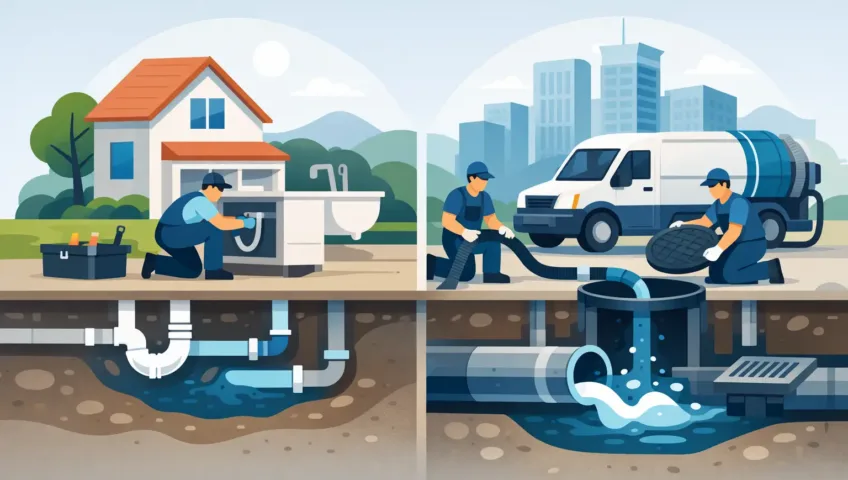
A blocked toilet before work, a gully overflowing outside a shop, or a bad smell appearing in a communal corridor can quickly turn into more than an inconvenience. Domestic and commercial drain services are there to get water moving again, identify what has gone wrong and prevent a smaller issue from becoming property damage, lost trade or an unpleasant clean-up.

The right response depends on the property, the cause and the urgency. A slow kitchen sink at home may need professional cleaning before it blocks completely. A restaurant kitchen backing up during service needs fast attendance, safe working and a solution that protects trading. Either way, don’t panic – an experienced drainage engineer has seen serious blockages before and can explain the practical next step clearly.

What domestic and commercial drain services cover

Drainage work is not just about clearing a blocked pipe. A professional service should deal with immediate blockages while also checking whether there is a deeper fault in the drainage system. That might be a build-up of fat and debris, tree root ingress, a cracked pipe, poor pipe alignment or a collapsed section of drain.

For homes, common call-outs include blocked toilets, sinks, baths, showers, external gullies and drain covers. Water that drains slowly, unpleasant odours, repeated toilet blockages and wet patches around an outside drain all deserve attention. Acting early is usually less disruptive and less expensive than waiting for wastewater to back up into the property.

Commercial sites have many of the same problems, but the impact can be greater. Offices, shops, restaurants, schools, warehouses, landlords and managing agents may be responsible for busier systems, multiple units or customer-facing areas. A blockage can create slip hazards, hygiene concerns and downtime. Planned support is often as valuable as emergency help because it reduces the chance of an issue appearing during peak trading or outside normal opening hours.

Emergency drain unblocking

Emergency unblocking is for drains that have stopped flowing, are overflowing or are causing wastewater to return into a building. Engineers use the appropriate equipment for the pipe and obstruction, which may include high-pressure water jetting, electro-mechanical cleaning or specialist tools to remove the blockage safely.

The aim is not simply to make the water disappear for the moment. A proper visit should establish whether the drain is clear throughout, whether there is evidence of damage and whether the same issue is likely to return. If the blockage is caused by wipes, sanitary products, grease or foreign objects, clear advice can help avoid another call-out. If the cause is structural, further investigation may be needed.

CCTV drain surveys and diagnosis

When a drain keeps blocking, a CCTV drain survey can remove the guesswork. A small camera is sent through the pipework, allowing the engineer to see the condition of the drain and locate problems without unnecessary digging.

This can reveal root intrusion, fractures, displaced joints, scale build-up, poor connections or collapsed pipework. It is particularly useful before buying a property, after recurring drainage issues, or when a business needs evidence for maintenance planning and repair decisions. The survey does not always mean a major repair is required. Sometimes cleaning is enough. However, it can stop money being spent repeatedly on unblocking a drain with an underlying defect.

Drain repairs with less disruption

Damaged drains used to mean lifting large areas of ground, flooring or paving as a matter of course. Excavation is still necessary in some situations, especially where pipework has badly collapsed or access is limited. But no-dig trenchless repair methods can often repair pipes from within, reducing disruption to gardens, driveways, shop floors and operational sites.

The best repair option depends on the material and condition of the drain, the position of the damage and whether the pipe has retained enough shape for lining. An honest engineer should talk through the findings, the available options and the likely cost before work begins. There is no value in recommending a larger job than the drainage system needs.

Why homes and businesses need different drainage plans

A domestic property normally needs a responsive service that resolves a stressful problem quickly and tidily. Homeowners want to know what has caused the issue, whether it will happen again and what they should avoid putting down the drain. Landlords may also need documented work for tenants and reassurance that the property is safe to use.

Commercial drainage needs a wider view. A busy food premises, for example, may require regular grease management and drain cleaning because fats, oils and food waste build up far faster than they do in a typical home. A retail site may need gully cleaning before heavy rainfall, while an industrial premises may need servicing planned around safety rules, deliveries and production schedules.

For property managers, a recurring drainage agreement can make life easier. Scheduled cleaning, surveys, gully maintenance and septic tank emptying create a clearer record of work completed and help identify risks before tenants or customers are affected. It is not a one-size-fits-all service. A small office may only need occasional checks, while a restaurant or multi-unit site may benefit from a more frequent programme.

Signs you should call a drainage engineer

Some drainage problems are obvious, but others begin quietly. A drain that gurgles, a toilet that rises before flushing away, or a smell that returns after cleaning can be an early warning. Outside, standing water around a gully, slow-draining rainwater or a sunken patch of paving may point to a blockage or damaged pipe below.

You should arrange professional help promptly if wastewater is backing up, several fixtures are draining slowly at once, an external drain is overflowing, or you can see sewage around the property. Avoid using more water while waiting, as this can worsen the overflow. Do not rely on repeated bottles of chemical drain cleaner either. They may not reach the obstruction, can damage certain pipework and create a hazard for anyone working on the drain afterwards.

At a commercial premises, isolate the affected area where possible, protect staff and customers from slips or contamination, and call for support straight away. Fast action matters, particularly in food, hospitality, healthcare and public-facing settings where hygiene and safe access cannot be compromised.

Prevention that genuinely makes a difference

Most blockages are not caused by one dramatic event. They build up over time. At home, only toilet paper and human waste should go down the toilet. Wipes, even those labelled flushable, cotton buds, sanitary products and paper towels belong in the bin. In kitchens, allow fats and oils to cool before disposing of them properly rather than washing them down the sink.

For businesses, prevention needs to be more systematic. Staff guidance helps, but regular cleaning is often essential where drains handle high volumes of food waste, grease, hair, soil or debris. External gullies also need attention, particularly before wetter months, as leaves and litter can stop surface water draining away.

Septic and sewage tanks need their own planned care. Emptying should be scheduled according to the size of the tank, occupancy and usage, rather than delayed until there is a smell or backup. A tank that is too full can lead to unpleasant overflows and potential environmental problems.

Choosing a drainage company with confidence

When water is coming up through a drain, it is tempting to call the first number you find. Yet it is worth checking that the company can explain pricing, attendance expectations and what happens if a repair is needed after the blockage is cleared. Look for trained engineers, suitable equipment, clear guarantees and a service that is available when the problem occurs – not just during office hours.

For commercial customers, ask whether the provider can support planned maintenance as well as emergencies. A drainage partner that understands your site, access arrangements and operating hours can save valuable time when an urgent issue does arise. For homeowners, a no-call-out-fee approach and clear starting prices can offer reassurance before an engineer arrives.

Absolute Drainage provides urgent and planned drainage support for homes and businesses, with 24/7 availability and practical advice from trained engineers. Whether the job is a simple blocked sink or a complex drainage repair, the priority should always be the same: make the property safe, explain the work honestly and restore normal use with as little disruption as possible.

If a drain is slowing down, smelling unpleasant or showing signs of overflow, it is usually worth dealing with it before it chooses the worst possible time to fail. Early action gives you more options, protects the property and lets you get back to normal sooner.

Drainage Tanker Services Near Me - What to Check

Drainage Tanker Services Near Me – What to Check

A full septic tank, overflowing gully or backed-up interceptor can turn from an unpleasant smell into a property-wide problem very quickly. If you are searching for drainage tanker services near me, you need more than a large vehicle turning up at some point – you need a trained team that can assess the situation, remove waste safely and leave clear advice on what happens next.

For homes, landlords and businesses, tanker work is often urgent. Wastewater must be contained, customers and staff need to stay safe, and normal use of the property needs to resume as soon as possible. Don’t panic, we’ve got you covered. The right drainage contractor will explain the work plainly before it begins, provide clear pricing and arrange an appropriate tanker without unnecessary delay.

When do you need a drainage tanker?

A drainage tanker is used to remove liquid waste, sludge and contaminated water from systems that cannot simply be cleared with drain rods or high-pressure jetting. Most people associate tankers with septic tank emptying, but they are also essential for cesspits, sewage treatment plants, grease traps, pumping stations, gullies and commercial interceptors.

At a domestic property, common warning signs include toilets draining slowly, unpleasant odours around an external tank, wet ground near the lid, gurgling pipes and wastewater backing up into the home. If sewage is surfacing, stop using water wherever possible. Avoid flushing toilets, running washing machines or emptying sinks until an engineer has advised you. Adding more water to an already full or failed system can make the overflow worse.

Commercial premises can face different pressures. Restaurants may need grease management alongside drainage cleaning, while industrial sites, offices and retail premises may have gullies or interceptors that require planned emptying. Waiting until an issue closes a kitchen, affects customer areas or creates a slip hazard is rarely the cheapest option. Scheduled servicing is usually easier to organise and far less disruptive than an emergency attendance.

Choosing drainage tanker services near me

Local availability matters because a tanker requirement can be time-sensitive, particularly where sewage, flooding or a blocked pumping system is involved. However, the nearest company is not automatically the best choice. Ask whether they cover your exact postcode, when they can attend and whether the vehicle being sent is suitable for the access and waste involved.

A good drainage contractor will ask practical questions before arriving. They may need to know the type of tank or chamber, its approximate size, where it is located, whether the cover is accessible, and whether there are gates, low branches, narrow lanes or weight restrictions. Tanker hoses can reach a reasonable distance, but a tanker cannot always park directly beside the tank. Sharing this information early helps prevent delays and avoids an unsuitable vehicle arriving on site.

Pricing should be clear too. Tanker costs can depend on the volume removed, access, waste type, the distance travelled and whether the visit is planned or an emergency. Be wary of vague estimates that do not explain what is included. Ask whether the quote covers attendance, pumping, waste disposal and any additional drainage investigation required. Fair pricing starts with an honest explanation, not a surprise after the job is done.

Safe disposal is part of the job

Removing waste is only one part of a proper tanker service. The material must be handled and disposed of in line with relevant requirements. This is especially significant for sewage, commercial waste and material from interceptors or grease systems, where the contents may need particular treatment.

You should also expect the team to work carefully around your property. A tidy engineer will protect accessible areas where practical, manage hoses safely and secure covers after emptying. If a tank cover is damaged, unsafe or buried under soil, that should be raised with you rather than ignored.

Emptying a tank will not fix every fault

This is the point many property owners only discover after an overflow. Emptying a septic tank or cesspit provides essential capacity, but it does not automatically cure the reason it filled too quickly or failed to drain correctly.

For a cesspit, regular emptying is normal because it is a sealed holding tank. For a septic tank or sewage treatment plant, frequent filling may suggest a separate fault. A blocked outlet, damaged pipework, failed soakaway, collapsed drain, excessive groundwater or a problem with a pump can all contribute. If the issue returns soon after emptying, further investigation is sensible.

A CCTV drain survey can show what is happening inside concealed pipework without unnecessary digging. Where repairs are needed, modern no-dig methods may be suitable in some cases, reducing disruption to driveways, gardens and business premises. It depends on the location and condition of the pipe, so a responsible engineer should not promise a repair method before diagnosing the fault.

What to do before the tanker arrives

Make the visit easier by keeping the route to the tank, chamber or gully as clear as you can. Move vehicles if they are blocking access, unlock gates and keep children and pets away from the work area. If you know where the inspection cover is, let the team know. If you do not, do not start digging blindly – covers can be damaged and buried services may be nearby.

For a sewage overflow, keep people away from contaminated water and do not attempt to wash it into a surface-water drain. Take sensible precautions such as ventilating affected rooms, avoiding direct contact and keeping contaminated footwear out of clean areas. A drainage engineer can advise on the immediate containment and clearance work required.

Businesses should tell the contractor about site rules, delivery restrictions and any areas that must remain open. An early-morning, evening or quieter-period visit may be possible for planned work, depending on the site and the service needed. For emergencies, the priority is making the area safe and getting your drainage system working again with minimum interruption.

Planned tanker work saves difficult call-outs

Not every tanker visit begins with a crisis. Planned emptying gives homeowners and site managers control over timing, access and budget. It is particularly useful for holiday lets, rural properties, managed blocks, food premises and sites with known seasonal demand.

The correct interval varies. A household septic tank may require periodic emptying based on tank size, household occupancy and how the system performs. A cesspit normally needs much more frequent attention. Commercial tanks, grease systems and interceptors should follow a schedule based on use, site conditions and any operational requirements. Guesswork can lead to overflows, but unnecessary emptying can add avoidable cost, so ask for advice tailored to your setup.

Keeping a simple record of emptying dates, reported faults and drainage surveys is worthwhile. It helps spot changing patterns and gives landlords, facilities teams and future engineers a clearer picture of the system. If a tank suddenly needs emptying far more often than before, that information can point towards a fault rather than normal demand.

Fast help across the Manchester area and beyond

For urgent drainage issues, response time matters. Absolute Drainage provides emergency and planned drainage support for homes and businesses across Manchester and locations within its wider service area. The family-run team can arrange help with septic and sewage tank emptying, gully work, blocked drains, surveys and repairs, with straightforward advice at every stage.

If you are dealing with an active overflow or a drainage system that has stopped working, explain exactly what you can see and smell when you call. Mention whether sewage is inside the property, outside near a tank, or affecting a customer or staff area. That allows the right response to be arranged from the outset.

A tanker visit should leave you with more than an empty tank. You should know what was removed, whether any warning signs were found, and whether further cleaning, surveying or repair is recommended. That clear information is what helps protect your property after the immediate problem has gone.

24 Hour Emergency Drain Unblocking Help

24 Hour Emergency Drain Unblocking Help

A blocked toilet that will not flush, wastewater rising from a gully, or a sink backing up across the kitchen floor cannot wait until Monday morning. 24-hour emergency drain unblocking gives you a practical route to stop the problem getting worse, protect your property and get normal life – or trading – moving again.

Don’t panic, but do act promptly. Most drainage emergencies can be resolved quickly by a trained engineer with the right equipment. The key is knowing what you can safely do at the property, what not to attempt, and when the blockage needs urgent professional attention.

When does a blocked drain become an emergency?

Not every slow-draining basin needs an emergency visit. A single sink that drains slowly may be caused by soap residue, food waste or a local build-up in the trap. It still needs sorting, particularly if it keeps returning, but it is not always an immediate threat.

It becomes an emergency when wastewater cannot leave the property or is coming back into it. If a toilet is overflowing, drains are backing up through a shower or sink, foul water is pooling outside, or a gully is flooding near the building, call for help straight away. These problems can create hygiene risks, damage floors and furnishings, and leave a business unable to operate safely.

For commercial premises, the threshold is often lower. A restaurant with a blocked kitchen line, a shop with foul water near customer areas, or an office with unusable toilets has an operational problem as well as a drainage one. Closing a toilet or food-preparation area for longer than necessary can quickly affect staff, customers and revenue.

Warning signs you should not ignore

A bad smell around internal drains, repeated gurgling from plugholes, water rising in the toilet when another appliance drains, and standing water around an external gully can all point to a developing blockage. If several fixtures are affected at once, the fault is more likely to be in the main drain rather than one local pipe.

Outside, look for overflowing inspection chambers, soggy ground with no obvious explanation, or wastewater coming up through a drain cover. Keep people and pets away from contaminated water and arrange an emergency drainage visit. Do not lift drain covers unless it is safe to do so and you know what you are looking for.

What to do before an emergency drain engineer arrives

The first job is to limit the amount of water entering the system. Stop using the affected toilet, sink, bath, shower, washing machine or dishwasher. If the blockage appears to affect the whole property, ask everyone in the building to avoid running taps and flushing toilets until the engineer has assessed it.

If a toilet bowl is rising towards the rim, remove the cistern lid and carefully lift the float to stop more water filling the cistern. If you can do so safely, turn off the toilet’s isolation valve. Place towels around small spills, but avoid trying to contain significant foul-water flooding yourself. Keep children, pets and customers away from the area.

It helps to make access easy. Clear vehicles away from inspection chambers where possible, unlock side gates, and note where you have seen the water backing up. For landlords, property managers and facilities teams, let the engineer know whether the issue affects one flat, several units or the entire site. This information can speed up diagnosis.

Avoid pouring chemical drain cleaners into a badly blocked system. They rarely shift serious obstructions such as wipes, fat deposits, roots or collapsed pipework, and can create a hazardous situation for anyone working on the drain afterwards. Repeatedly plunging an overflowing toilet can also spread contaminated water. A small, local sink blockage is one thing; a foul-water emergency is another.

How 24-hour emergency drain unblocking works

A proper emergency response starts with finding the blockage rather than guessing. An experienced drainage engineer will ask what is happening, where it is happening and whether wastewater is escaping. On arrival, they can inspect the affected fixtures, gullies and chambers to identify whether the problem is within a local waste pipe, a private drain or a more extensive section of pipework.

The clearing method depends on the cause and location. High-pressure water jetting is often used to break up stubborn waste, fat, scale and debris inside drains. Mechanical equipment may be suitable for certain internal blockages. Where the fault keeps recurring or there is concern about a damaged pipe, a CCTV drain survey can show what is happening underground without unnecessary excavation.

This is why the cheapest-looking quick fix is not always the best value. Clearing the immediate blockage matters, especially when water is escaping, but the engineer should explain if there is an underlying reason it has happened. Tree roots, displaced joints, cracked pipes and poor drainage falls will not be solved permanently by clearing alone.

At Absolute Drainage, trained engineers work around the clock, including weekends and bank holidays, with no call-out fee and clear price information before work begins. Emergency blocked-drain attendance is typically targeted within 30 to 90 minutes, depending on location and demand, with same-day emergency attendance available within four hours. The aim is straightforward: get the drainage working, explain what caused the issue and leave the area as tidy as possible.

The common causes behind sudden blockages

In homes, wipes are one of the most frequent causes. Even products described as flushable do not always break down as quickly as toilet paper and can snag in pipework. Cooking fat, oil and grease are another regular problem. They may go down the sink as liquid, then cool and harden inside the drain, catching food scraps and creating a stubborn blockage.

External drains can fill with leaves, mud and garden debris, particularly after heavy rain. Older properties may have pipework affected by root ingress, while damaged or poorly connected drainage can allow soil and debris into the system. In shared buildings, one blockage can also be caused by how another resident is using the drainage system, which makes early investigation especially useful.

Commercial drainage has its own pressures. Food businesses deal with grease and food waste; busy washrooms face high use and unsuitable items being flushed; industrial and trade sites may have silt, debris or specialist waste considerations. Regular cleaning is often more cost-effective than waiting for an emergency closure, but even well-managed sites can experience unexpected problems.

Why recurring blockages need more than a clear-out

If the same drain blocks every few months, treat that as a warning rather than bad luck. Repeated jetting may keep it flowing temporarily, but an investigation can reveal whether the pipe is cracked, invaded by roots, holding standing water or obstructed by a structural defect.

A CCTV survey provides a clear view inside the drain and can help distinguish a simple maintenance issue from a repair requirement. Where a repair is needed, no-dig drainage techniques can often fix a section of pipe with less disruption than traditional excavation. That can make a real difference to driveways, gardens, shop floors and busy commercial sites.

There is a trade-off. A survey or repair adds cost beyond a straightforward unblocking visit, and not every blockage needs one. However, where there is repeat flooding, persistent odour, slow drainage across several fixtures or evidence of damage, dealing with the cause can prevent much higher costs later.

Reducing the chance of another drainage emergency

Once the immediate problem has been resolved, a few simple habits can help. Only toilet paper and human waste should go down the toilet. Collect cooking fats and oils in a container rather than pouring them into the sink. Use sink strainers to catch food waste and hair, and clear leaves from gullies before they build up.

For landlords, commercial operators and properties with known drainage issues, planned drain cleaning and inspections bring useful peace of mind. Scheduled maintenance is particularly valuable before busy trading periods, after building work, or where the property has mature trees close to underground drains.

A drainage emergency feels disruptive because it is disruptive. The useful next step is not to experiment with chemicals or wait for the water to disappear on its own. Stop using the affected drainage, keep the area safe, and arrange a qualified 24-hour engineer who can get to the real cause and give you a fair explanation of the work needed.

24 Hour Emergency Drain Unblocking Help

24 Hour Emergency Drain Unblocking Help

A blocked toilet that will not flush, wastewater rising from a gully, or a sink backing up across the kitchen floor cannot wait until Monday morning. 24-hour emergency drain unblocking gives you a practical route to stop the problem getting worse, protect your property and get normal life – or trading – moving again.

Don’t panic, but do act promptly. Most drainage emergencies can be resolved quickly by a trained engineer with the right equipment. The key is knowing what you can safely do at the property, what not to attempt, and when the blockage needs urgent professional attention.

When does a blocked drain become an emergency?

Not every slow-draining basin needs an emergency visit. A single sink that drains slowly may be caused by soap residue, food waste or a local build-up in the trap. It still needs sorting, particularly if it keeps returning, but it is not always an immediate threat.

It becomes an emergency when wastewater cannot leave the property or is coming back into it. If a toilet is overflowing, drains are backing up through a shower or sink, foul water is pooling outside, or a gully is flooding near the building, call for help straight away. These problems can create hygiene risks, damage floors and furnishings, and leave a business unable to operate safely.

For commercial premises, the threshold is often lower. A restaurant with a blocked kitchen line, a shop with foul water near customer areas, or an office with unusable toilets has an operational problem as well as a drainage one. Closing a toilet or food-preparation area for longer than necessary can quickly affect staff, customers and revenue.

Warning signs you should not ignore

A bad smell around internal drains, repeated gurgling from plugholes, water rising in the toilet when another appliance drains, and standing water around an external gully can all point to a developing blockage. If several fixtures are affected at once, the fault is more likely to be in the main drain rather than one local pipe.

Outside, look for overflowing inspection chambers, soggy ground with no obvious explanation, or wastewater coming up through a drain cover. Keep people and pets away from contaminated water and arrange an emergency drainage visit. Do not lift drain covers unless it is safe to do so and you know what you are looking for.

What to do before an emergency drain engineer arrives

The first job is to limit the amount of water entering the system. Stop using the affected toilet, sink, bath, shower, washing machine or dishwasher. If the blockage appears to affect the whole property, ask everyone in the building to avoid running taps and flushing toilets until the engineer has assessed it.

If a toilet bowl is rising towards the rim, remove the cistern lid and carefully lift the float to stop more water filling the cistern. If you can do so safely, turn off the toilet’s isolation valve. Place towels around small spills, but avoid trying to contain significant foul-water flooding yourself. Keep children, pets and customers away from the area.

It helps to make access easy. Clear vehicles away from inspection chambers where possible, unlock side gates, and note where you have seen the water backing up. For landlords, property managers and facilities teams, let the engineer know whether the issue affects one flat, several units or the entire site. This information can speed up diagnosis.

Avoid pouring chemical drain cleaners into a badly blocked system. They rarely shift serious obstructions such as wipes, fat deposits, roots or collapsed pipework, and can create a hazardous situation for anyone working on the drain afterwards. Repeatedly plunging an overflowing toilet can also spread contaminated water. A small, local sink blockage is one thing; a foul-water emergency is another.

How 24-hour emergency drain unblocking works

A proper emergency response starts with finding the blockage rather than guessing. An experienced drainage engineer will ask what is happening, where it is happening and whether wastewater is escaping. On arrival, they can inspect the affected fixtures, gullies and chambers to identify whether the problem is within a local waste pipe, a private drain or a more extensive section of pipework.

The clearing method depends on the cause and location. High-pressure water jetting is often used to break up stubborn waste, fat, scale and debris inside drains. Mechanical equipment may be suitable for certain internal blockages. Where the fault keeps recurring or there is concern about a damaged pipe, a CCTV drain survey can show what is happening underground without unnecessary excavation.

This is why the cheapest-looking quick fix is not always the best value. Clearing the immediate blockage matters, especially when water is escaping, but the engineer should explain if there is an underlying reason it has happened. Tree roots, displaced joints, cracked pipes and poor drainage falls will not be solved permanently by clearing alone.

At Absolute Drainage, trained engineers work around the clock, including weekends and bank holidays, with no call-out fee and clear price information before work begins. Emergency blocked-drain attendance is typically targeted within 30 to 90 minutes, depending on location and demand, with same-day emergency attendance available within four hours. The aim is straightforward: get the drainage working, explain what caused the issue and leave the area as tidy as possible.

The common causes behind sudden blockages

In homes, wipes are one of the most frequent causes. Even products described as flushable do not always break down as quickly as toilet paper and can snag in pipework. Cooking fat, oil and grease are another regular problem. They may go down the sink as liquid, then cool and harden inside the drain, catching food scraps and creating a stubborn blockage.

External drains can fill with leaves, mud and garden debris, particularly after heavy rain. Older properties may have pipework affected by root ingress, while damaged or poorly connected drainage can allow soil and debris into the system. In shared buildings, one blockage can also be caused by how another resident is using the drainage system, which makes early investigation especially useful.

Commercial drainage has its own pressures. Food businesses deal with grease and food waste; busy washrooms face high use and unsuitable items being flushed; industrial and trade sites may have silt, debris or specialist waste considerations. Regular cleaning is often more cost-effective than waiting for an emergency closure, but even well-managed sites can experience unexpected problems.

Why recurring blockages need more than a clear-out

If the same drain blocks every few months, treat that as a warning rather than bad luck. Repeated jetting may keep it flowing temporarily, but an investigation can reveal whether the pipe is cracked, invaded by roots, holding standing water or obstructed by a structural defect.

A CCTV survey provides a clear view inside the drain and can help distinguish a simple maintenance issue from a repair requirement. Where a repair is needed, no-dig drainage techniques can often fix a section of pipe with less disruption than traditional excavation. That can make a real difference to driveways, gardens, shop floors and busy commercial sites.

There is a trade-off. A survey or repair adds cost beyond a straightforward unblocking visit, and not every blockage needs one. However, where there is repeat flooding, persistent odour, slow drainage across several fixtures or evidence of damage, dealing with the cause can prevent much higher costs later.

Reducing the chance of another drainage emergency

Once the immediate problem has been resolved, a few simple habits can help. Only toilet paper and human waste should go down the toilet. Collect cooking fats and oils in a container rather than pouring them into the sink. Use sink strainers to catch food waste and hair, and clear leaves from gullies before they build up.

For landlords, commercial operators and properties with known drainage issues, planned drain cleaning and inspections bring useful peace of mind. Scheduled maintenance is particularly valuable before busy trading periods, after building work, or where the property has mature trees close to underground drains.

A drainage emergency feels disruptive because it is disruptive. The useful next step is not to experiment with chemicals or wait for the water to disappear on its own. Stop using the affected drainage, keep the area safe, and arrange a qualified 24-hour engineer who can get to the real cause and give you a fair explanation of the work needed.

Grease Trap Cleaning Keeps Kitchens Trading

Grease Trap Cleaning Keeps Kitchens Trading

A kitchen can be busy, clean and well run on the surface while fats, oils and food waste are quietly building up below it. Regular grease trap cleaning is what stops that hidden build-up turning into foul odours, slow sinks, blocked drains and an interruption to service when you can least afford one.

For restaurants, cafés, pubs, takeaways and commercial kitchens, a grease trap is not a fit-and-forget piece of equipment. It needs planned attention. If it is overflowing, smelling bad or allowing grease into the drainage system, the problem has already moved beyond routine housekeeping.

What a grease trap does in a commercial kitchen

A grease trap, sometimes called a grease interceptor, sits on the wastewater line from kitchen sinks and appliances. As warm wastewater passes through, heavier food particles settle and fats, oils and grease rise and cool. The trap holds this material back while the cleaner water continues towards the drain.

That separation matters because grease does not stay liquid for long. Once it reaches cooler pipework, it sticks to the inside of drains. Over time, it catches food debris, wipes and other waste until water can no longer flow freely. What starts as a slightly slow sink can become a blocked kitchen drain, wastewater backing up through floor gullies, or a sudden closure during a busy shift.

A correctly sized and well-maintained grease trap protects your internal pipework and the wider drainage network. It also gives your team a far better chance of keeping the kitchen clean, safe and operational.

Why grease trap cleaning cannot be put off

Grease traps have a limited capacity. When the collected material is not removed, grease can pass through the unit, harden in the pipework and create restrictions further down the line. A trap that has been allowed to fill may also release unpleasant smells into food preparation and customer areas.

There is a commercial cost as well. A drainage emergency can mean disrupted food preparation, cancelled orders, staff pulled away from their jobs and unhappy customers. If wastewater spills onto a kitchen floor, there is also a hygiene and slip-risk issue to manage immediately.

Planned cleaning is usually simpler and less disruptive than an emergency callout. However, the right frequency depends on the size of the trap, the number of covers served, the type of food prepared and how much oil is used. A high-volume fried-food operation will need more attention than a small office canteen. The unit should be checked regularly rather than relying on a fixed calendar date alone.

Signs your grease trap needs attention

The first warning is often a smell. A sour, rancid or sewer-like odour around sinks, floor drains or the grease trap itself is a clear sign that waste has been sitting too long. Do not cover it with air freshener and hope it passes. The source needs dealing with.

Slow-draining sinks, gurgling sounds and water pooling around gullies are also common indicators. You may notice greasy residue around drain covers or find that the dishwasher or sink causes water to rise elsewhere in the kitchen. These are signs that grease is affecting the flow through the trap or the connected pipework.

If wastewater is backing up, the kitchen must stop using the affected fixtures until the issue is assessed. Continuing to run taps, dishwashers or appliances can turn a manageable blockage into a messy flood. Don’t panic, but act quickly and keep staff away from contaminated water.

What professional grease trap cleaning involves

Proper grease trap cleaning is more than lifting the lid and removing the visible layer from the top. The trap needs to be emptied fully, including settled food solids and wastewater, so that it can work as designed again.

A drainage engineer will first assess the unit, its access points and the condition of the surrounding drains. The contents are removed using suitable equipment and handled as controlled waste. The internal components can then be cleaned, with the unit checked for damage, poor connections or excessive grease passing through.

Where there are signs of a downstream restriction, the connected pipework may need clearing or jetting too. This is an important distinction. Emptying a grease trap helps prevent future blockages, but it may not clear a blockage that has already formed further along the drainage line.

The trap should be reassembled carefully and tested before the job is signed off. A professional visit should also give you a clear explanation of what was found, whether the unit is suitable for the kitchen’s current workload and when it should next be serviced.

How often should a grease trap be cleaned?

There is no single interval that suits every premises. Some busy kitchens need servicing every few weeks, while a lower-use site may be able to schedule it less often. The key is to clean the trap before grease and solids reach a level where they can escape into the drainage system.

Your cleaning routine should reflect real kitchen use, not just the assumptions made when the trap was installed. A menu change, extended opening hours, a new fryer or a period of higher trade can all increase the amount of grease entering the system.

Keep a simple service record showing cleaning dates, any drainage issues and observations from engineers. This makes it easier for managers, landlords and facilities teams to spot a developing pattern. It is also useful evidence that the equipment has been maintained responsibly.

Kitchen habits that reduce drainage problems

A grease trap is a protective barrier, not permission to pour anything down the sink. Good kitchen habits make a real difference between professional visits.

Scrape plates, pans and cookware into a food-waste container before washing them. Allow cooking oil to cool and collect it for proper disposal rather than tipping it into a drain. Train staff not to flush wipes, cloths, coffee grounds, rice, flour or food scraps into sinks or floor gullies.

Be cautious with chemical drain cleaners as well. Strong products may appear to shift grease temporarily, but they can be hazardous for staff, damage pipework or simply push the problem further into the system. They do not remove the accumulated waste from a grease trap.

When an emergency drainage response is needed

A full grease trap does not always mean an emergency, but wastewater backing up into a kitchen does. So does a sudden loss of drainage at multiple sinks, a serious odour affecting customers, or water escaping from gullies and drain covers.

In these situations, stop using the affected outlets, contain the area where safe to do so and arrange professional help. An engineer can identify whether the fault is confined to the grease trap or whether grease has caused a blockage in the internal or external drains. CCTV drainage surveys can also be useful where repeat blockages suggest a deeper defect, collapsed pipe or unsuitable drainage layout.

For businesses across England that need urgent or planned help, Absolute Drainage provides commercial drainage support with trained engineers, modern equipment and a practical explanation before work begins. Whether the job is a routine clean or a kitchen drainage emergency, the aim is the same: get the system working properly with as little disruption to trading as possible.

A maintenance plan is cheaper than a closure

The best time to arrange grease trap cleaning is before the kitchen smells, the sinks slow down and a manager is forced to deal with an avoidable problem during service. Planned maintenance gives you control over timing, helps protect your drains and reduces the likelihood of costly downtime.

If your grease trap is overdue, arrange a professional inspection and cleaning rather than waiting for the first backup. A clean, correctly operating trap is one of those behind-the-scenes jobs customers will never notice – and that is exactly how it should be.

Drain Repair Cost for Homes and Businesses

Drain Repair Cost for Homes and Businesses

A drain problem rarely arrives at a convenient time. One day the toilet is slow to clear or a gully is holding water; the next, there is a smell outside, wastewater backing up or damp ground over the drain run. The drain repair cost will depend on what has failed beneath the surface, but acting early is usually far less expensive than waiting for a small fault to become a collapse, leak or flooding issue.

For most properties, the first job is not to guess at a repair price. It is to identify the fault accurately. A trained drainage engineer can clear an obstruction, inspect the pipe with a CCTV camera and explain what is needed before repair work begins. Don’t panic – a damaged drain does not automatically mean your drive or floor has to be dug up.

What affects drain repair cost?

There is no single price for drain repairs because every drain run, property and fault is different. The location of the damage matters as much as the damage itself. A short crack in an accessible plastic pipe is a very different job from a collapsed clay drain beneath a concrete yard, kitchen extension or busy car park.

The main factors are the type and length of pipe damage, the depth of the drain, how easy it is to reach, and whether the line needs cleaning before it can be inspected or repaired. Tree roots, displaced joints, cracks, scale build-up and a complete collapse all require different solutions. Work outside normal hours may also affect the cost where an active blockage or sewage backup needs immediate attendance.

For commercial sites, the repair may need to be planned around trading hours, pedestrian safety, food hygiene rules or vehicle access. That can add preparation and reinstatement work, but it may prevent a longer and more costly closure.

Typical UK drain repair prices

The figures below are broad guide prices, not a substitute for an inspection and written quote. Local labour rates, access and the scale of the damage can move the final cost up or down.

A CCTV drain survey often costs roughly £100 to £300 for a straightforward residential investigation. It can feel like an extra expense when you just want the drain fixed, but it can prevent unnecessary excavation and gives a clear view of the pipe’s condition. If the problem is simply a blockage, drain clearing may be all that is required.

A small, accessible repair to a section of external pipe may start from a few hundred pounds. Localised patch lining, where suitable, commonly falls in the region of £400 to £1,000 depending on the size and position of the repair. Full drain relining can range from around £1,000 to several thousand pounds, particularly on longer or more complex runs.

Excavation is usually more expensive because the team must expose the pipe, remove damaged sections, install new pipework, test the repair and reinstate the surface. A simple dig-up repair might begin at around £1,000, while deep excavation, multiple damaged sections or reinstatement of paving, tarmac or concrete can take the price considerably higher.

These ranges are useful for budgeting, but a very low quote without a proper diagnosis can be a false economy. If no one has established whether the pipe is cracked, root-damaged, incorrectly connected or collapsed, it is impossible to know whether the proposed repair will last.

The repair method makes a major difference

Where the pipe is structurally suitable, no-dig technology can reduce both disruption and overall spend. Patch lining creates a new sealed section inside the damaged area. Full lining forms a new pipe within the old one, sealing cracks, poor joints and minor root ingress without opening up the whole route.

This approach is often ideal beneath patios, driveways, landscaped gardens and commercial forecourts. It is not always the answer. A severely crushed pipe, major change in level or drain with substantial missing sections may need excavation. An honest engineer should explain why a lining repair is appropriate, or why digging is unavoidable, before any work starts.

Signs you may need a drain repair, not just unblocking

A one-off blockage can be caused by wipes, fat, food waste or debris. Repeated blockages in the same area are more concerning, especially if clearing the drain only solves the problem for a short time. That pattern often points to a structural defect that is catching waste or allowing roots to enter.

Watch for slow-draining fixtures, sewage odours, gurgling toilets, overflowing gullies, wet or sunken patches outside, cracks around ground surfaces and drains that back up after heavy rain. For landlords and property managers, recurring tenant reports should be investigated rather than treated as isolated callouts. A survey can establish whether there is a repair issue and provide evidence for planned maintenance.

Who is responsible for the damaged drain?

Responsibility can affect the real drain repair cost to you. In general, drains serving only your property are usually the homeowner’s responsibility up to the point where they connect with a shared drain or public sewer. Shared drains and sewers may be the responsibility of the local water company, though there are exceptions involving private systems, commercial sites and unusual property arrangements.

If the damage is on your side of the boundary, it may be worth checking your buildings insurance policy. Some policies include cover for accidental damage to underground services, but exclusions, excesses and gradual deterioration rules vary. A CCTV report and clear photographs can be helpful if you need to make a claim.

Do not delay an urgent repair while trying to settle responsibility if sewage is escaping or the property is at risk of flooding. Make the area safe, arrange an assessment and keep the report and invoice. You can then establish the appropriate route for recovery or a claim.

How to keep the repair bill under control

The best way to avoid unnecessary cost is to get the right diagnosis first. Clearing a blockage is sensible when the drain is obstructed, but repeated jetting without investigating the cause can become an expensive cycle. Ask whether a CCTV inspection is recommended after clearing, particularly where there have been previous issues or signs of root ingress.

Before agreeing to work, ask what has been found, which repair options are suitable and what the quoted price includes. A clear quote should distinguish between investigation, clearance, repair, waste removal and surface reinstatement where relevant. You should also know whether the repair comes with a warranty and whether the drain will be tested once the work is complete.

Preventative drain cleaning is worthwhile for restaurants, rental properties, sites with heavy use and buildings surrounded by mature trees. It will not fix an existing collapsed pipe, but it can reduce fat build-up, remove early root growth and spot problems before they disrupt a home or business.

When a fast response matters more than waiting

If wastewater is backing up indoors, a toilet cannot be used, a drain is overflowing or a business cannot trade safely, treat it as urgent. Avoid using sinks, toilets, washing machines and dishwashers connected to the affected drain until it has been checked. Keep children and pets away from contaminated water, and do not lift manhole covers unless it is safe to do so.

Absolute Drainage provides urgent and planned drainage work with trained engineers, modern CCTV equipment and no-dig repair options where appropriate. The team can explain the fault in plain English, set out the available repair route and help you make a decision without pressure.

A prompt survey after repeated blockages or early signs of damage can protect more than your drain. It can save your driveway, prevent an unpleasant sewage emergency and give you a clear, fair basis for the repair before the problem gets bigger.

Drain Maintenance Contracts That Prevent Disruption

Drain Maintenance Contracts That Prevent Disruption

A drain rarely gives much warning before it causes a major problem. One day a commercial kitchen is draining slowly; the next, a sink backs up during service. A gully that has been collecting leaves for months can overflow after heavy rain and leave a customer entrance unsafe. Drain maintenance contracts turn these predictable risks into planned work, helping homes, landlords and businesses avoid the disruption, mess and expense of an emergency callout.

For many properties, the best time to deal with drainage is when everything still appears to be working. Planned cleaning and inspection gives an engineer the chance to remove developing build-up, spot damage early and advise you clearly before a small issue becomes a flood, closure or repair job.

What is covered by a drain maintenance contract?

A contract is a planned agreement for routine drainage visits at intervals that suit the property and how its drains are used. It is not a one-size-fits-all service. A family home, a block of rented flats, a restaurant and an industrial site all put very different demands on their drainage systems.

The agreement should set out what is being maintained, how often visits take place and what happens if an engineer finds a fault. Depending on the site, scheduled work may include high-pressure drain cleaning, clearing gullies and surface water channels, removing scale or debris from pipework, emptying septic or sewage tanks, and checking problem areas with a CCTV drain survey.

The purpose is straightforward: keep wastewater and rainwater moving where they should, and deal with warning signs before they stop your day.

A good contractor will explain what they recommend and why. If a drain needs cleaning twice a year because it receives heavy kitchen waste, that should be based on its condition and use, not a vague sales promise. Equally, a lightly used domestic system may need a simpler annual check rather than frequent cleaning.

Why planned drainage care saves more than money

The obvious benefit is fewer blocked drains, but the real value is often in the disruption you avoid. A blocked toilet in a tenanted property can lead to unhappy tenants and urgent coordination for a landlord. For a café or restaurant, a backed-up sink or foul-smelling drain can affect hygiene, staff welfare and customer confidence within hours.

Planned maintenance also makes budgeting easier. Instead of being caught out by a late-night blockage or a flooded car park, you know when routine visits are due and can deal with recommended repairs before they become more involved.

There is no guarantee that a maintenance agreement will prevent every emergency. Sudden collapses, roots breaking into older drains and items flushed down toilets can still cause trouble. What it does is reduce the chance of avoidable blockages caused by fat, wipes, silt, leaves, scale and gradual build-up. It also means your drainage history is better understood when something unusual does happen.

For sites with busy footfall, regular attention to gullies can be particularly valuable. Blocked gullies do not simply look untidy. In heavy rain, they can contribute to standing water, slips, access problems and potential damage around entrances or loading areas.

Drain maintenance contracts for commercial premises

Commercial drainage has little room for guesswork. A blocked drain does not wait until a quiet afternoon, and the cost may go far beyond the drainage invoice. Lost trading, staff disruption, cancelled bookings and an unusable washroom can all have a knock-on effect.

Restaurants, pubs, takeaways and commercial kitchens often need more frequent cleaning because fats, oils and food debris build up quickly. Offices, shops and schools may need routine checks of toilets, external drains and gullies. Warehouses, yards and industrial premises can require a programme built around surface water drainage, silt, site traffic and operational hours.

The right schedule depends on what enters the drainage system, how heavily the site is used, the age of the pipework and whether there is a record of repeat blockages. A contractor should be prepared to work around opening times where possible, minimise disruption and leave the work area tidy.

For property managers, a contract can also make administration far simpler. Rather than finding a new provider every time a familiar issue returns, you have an agreed maintenance plan, clear service records and a team that already knows the site. That is especially useful across several properties where consistency matters.

Do not overlook grease, gullies and external drains

Some of the most troublesome drainage problems develop out of sight. Grease hardens inside pipes, especially where hot water cools. Leaves and litter settle in external gullies. Silt can slowly restrict surface water runs until a downpour exposes the problem.

Regular cleaning is more effective than waiting for complete blockage. It keeps pipework flowing and gives the engineer an opportunity to flag cracked covers, damaged chambers, root ingress or signs that a drain may need a CCTV inspection.

Support for homeowners, landlords and managed properties

A maintenance contract is not only for large commercial sites. Homeowners with recurring slow drains, older pipework, lots of trees nearby or a septic tank can benefit from planned checks. It is a practical way to stay ahead of issues without needing to remember when a drain was last cleaned.

Landlords have an additional reason to plan ahead. Drainage faults can quickly become an urgent tenant issue, particularly where toilets, showers or kitchen sinks are affected. Regular cleaning of shared stacks, gullies and external runs can help reduce avoidable callouts, while scheduled septic tank emptying helps keep rural or off-mains properties operating properly.

If a property has experienced repeat blockages, do not assume cleaning alone is the answer. A CCTV drain survey may show that the underlying cause is a displaced joint, root ingress, a damaged pipe or poor pipe falls. In that case, repeating the same cleaning visit without investigating further may cost more over time. Modern no-dig repair methods can sometimes resolve faults with far less disturbance than excavation, but suitability depends on the pipe condition and location.

Choosing the right level of cover

The best drain maintenance contracts are built around evidence, not a fixed package pushed onto every customer. Start with the property’s history. Are blockages happening in the same place? Does flooding occur only in heavy rain? Is the issue linked to kitchen waste, tree roots, shared drainage or an overdue tank emptying?

Then consider the consequences of failure. A slow-running drain at a private home is inconvenient. A blocked toilet at a care setting, restaurant or customer-facing business may need a more frequent and proactive programme because the effect is immediate.

Before agreeing to anything, ask how visits will be recorded, what work is included, whether cleaning is carried out with the appropriate equipment, and how repair recommendations will be priced. Clear explanations matter. You should know the difference between routine maintenance, an emergency clearance and remedial repair work before it begins.

Cheap cover is not always good value if it excludes the parts of the system most likely to cause trouble. On the other hand, paying for excessive visits to a low-risk property is unnecessary. The right plan is the one that matches your drains, your usage and the level of disruption you can realistically tolerate.

When an urgent blockage still needs fast action

Even well-maintained drains can face the unexpected. If wastewater is backing up, toilets will not flush, foul water is entering the property, or a gully is overflowing near an entrance, do not wait for the next planned visit. Keep people away from contaminated water where possible, stop using affected fixtures and arrange urgent drainage assistance.

A maintenance contract should support your emergency response, not replace it. It gives your contractor a clearer starting point, but serious symptoms still need prompt attention. Absolute Drainage provides planned maintenance alongside 24/7 emergency drainage support, with trained engineers who can assess the problem, explain the options and get work underway without unnecessary fuss.

The most useful maintenance plan is one you barely have to think about: drains are cleaned before they block, gullies are cleared before the rain comes, and any developing fault is explained while there is still time to choose the sensible repair.

Gully Cleaning Service That Helps Stop Flooding

Gully Cleaning Service That Helps Stop Flooding

A gully that is slow to drain can become a flooded driveway, unsafe entrance or unpleasant smell far quicker than most people expect. A professional gully cleaning service removes the build-up before rainwater has nowhere to go – helping protect your property, visitors and day-to-day routine.

Gullies are the grated drains commonly found outside homes, shops, car parks, yards and commercial premises. They collect surface water from paths, roofs and hard-standing areas, but they also catch leaves, litter, soil, silt and other debris. Left alone, that material compacts over time and restricts the flow of water.

At Absolute Drainage, we know a blocked outside drain rarely arrives at a convenient time. Don’t panic, we’ve got you covered. Our trained engineers provide planned gully cleaning and urgent drainage support for homes and businesses across England, with clear explanations before work starts.

What does a gully cleaning service involve?

Proper gully cleaning is more than lifting the grate and pulling out a handful of leaves. The visible debris is often only part of the problem. Silt and waste can settle at the bottom of the pot, while compacted material may extend into the connecting pipework.

An engineer will first assess the gully, the surrounding area and how well the water is draining. They remove surface debris, clean out settled silt and flush the gully and outlet using suitable professional equipment. If the blockage is further along the line, high-pressure water jetting can clear the pipework and restore flow.

Where there is a repeat issue, a CCTV drain survey may be sensible. This allows the engineer to look inside the drain and check for cracked pipes, root intrusion, displaced joints or a collapse. Cleaning will solve a blockage caused by debris, but it cannot permanently fix a damaged drain. Being honest about that difference saves customers from paying for the same callout repeatedly.

Signs your gully needs cleaning

Water sitting around a gully after rainfall is the clearest warning sign, particularly if it takes hours to disappear. You may also notice water backing up towards a door, garage, garden or loading area. Bad smells, a gurgling sound, visible mud around the grate and overflowing water are all signs that the gully or connected drain needs attention.

For commercial properties, look closely at customer entrances, delivery areas, bin stores and car parks. A blocked gully can create a slip risk, make a poor first impression and interrupt trading when heavy rain arrives. Restaurants and food premises may also find that grease, food waste and general yard debris add to the problem, so scheduled maintenance is often the safer option.

A gully can look clear at the top and still be blocked below. If water is not draining as it should, avoid repeatedly prodding it with rods or pouring harsh chemicals into it. This can push debris further into the system, damage pipework or create a mess without resolving the cause.

Why routine gully cleaning is worth arranging

Nobody wants to arrange drainage work just because a few leaves have fallen. However, preventative cleaning is normally simpler and less disruptive than dealing with flooding after a storm. This is especially true in autumn, after building work, or at sites with mature trees, unmade ground or busy vehicle movements.

A planned visit gives the engineer time to clean gullies properly, test that water is flowing away and identify early warning signs. For landlords and property managers, it also helps protect communal paths, parking areas and access routes. For businesses, maintenance can be booked around quieter hours to reduce disruption to staff and customers.

How often cleaning is needed depends on the site. A sheltered gully on a tidy paved driveway may need attention less often than one beneath trees or beside a busy commercial yard. As a practical starting point, many properties benefit from an annual check, while high-use or debris-heavy locations may require seasonal visits. If a gully blocks repeatedly, it needs investigation rather than simply more frequent cleaning.

When gully cleaning becomes an emergency

Heavy rainfall puts every part of an outside drainage system under pressure. If a gully is already restricted, water can quickly spill over and travel towards the building. That can mean damaged flooring, saturated walls, closed entrances and difficult clean-up work.

Call for urgent help if water is threatening your property, flooding an access route, entering a garage or premises, or overflowing from a drain. Keep people away from standing water where possible, particularly around electrical equipment, and do not remove drain covers if this could create a hazard.

For an active flood risk, speed matters. Absolute Drainage provides 24/7 drainage assistance, including weekends and bank holidays, with emergency attendance available for customers who need help quickly. Our engineers arrive with the equipment needed to clear blockages and explain what has caused the issue, so you are not left guessing what happens next.

Gully cleaning for homes, landlords and businesses

The basic purpose is the same at every property – get surface water flowing safely into the drainage system. The right approach, though, depends on what sits around the gully and how the site is used.

At a home, the priority may be protecting a driveway, patio, garden or garage from flooding. For landlords, it may be keeping shared accessways safe and avoiding a preventable call from tenants during a downpour. A property manager may need a reliable maintenance record across several buildings, while a commercial customer may need work arranged around opening hours, deliveries or health and safety requirements.

That is why a one-size-fits-all recommendation is rarely useful. A simple clean may be enough for a single blocked gully. Multiple gullies, recurring floodwater or persistent odours may point to a wider drainage issue that needs jetting, a survey or repair work. A good engineer will explain the options plainly and recommend only the work that is needed.

What you can do between professional visits

Small checks can reduce the chance of sudden blockages. After windy weather or gardening, clear leaves and loose debris from around the grate. Keep soil, gravel, grass cuttings and building materials away from gullies, as these can wash straight into the pot during rain.

Do not use outside gullies as a disposal point for paint, cement washings, cooking fat, chemicals or pet waste. Cement and plaster are particularly troublesome because they can harden in the drainage system. If you are having roof, garden or building work carried out, make sure contractors protect nearby drainage points from waste and runoff.

These steps help, but they do not replace professional cleaning where silt has settled deeper in the gully or pipework. If the water level rises, smells appear or drainage slows down, arranging help early is usually the least stressful option.

Clear drainage, fewer worries

A clean, free-flowing gully is easy to overlook – until the rain comes down and it is the only thing stopping water from reaching your property. Whether you need a one-off gully clean, urgent help with standing water or a planned maintenance arrangement, getting the issue checked promptly can prevent a much bigger problem later on. Speak to an experienced drainage engineer and you will know exactly what is blocking the flow, what needs doing and what it will take to put it right.

Is No Dig Drain Repair Right for Your Drain?

Is No Dig Drain Repair Right for Your Drain?

A cracked drain beneath a patio, driveway or shop floor can sound like a major building project. It does not always have to be. No dig drain repair can restore many damaged underground pipes from the inside, avoiding the upheaval of digging through carefully laid paving, landscaped gardens or a busy commercial site.

The key word is “many”. Drain lining is an excellent solution in the right conditions, but it is not a cure for every fault. A proper CCTV drain survey should come first, so you know exactly what has failed and why. Don’t panic – a trained drainage engineer can explain the footage clearly, recommend the sensible repair and give you a fair price before work begins.

What is no dig drain repair?

No dig drain repair, also known as trenchless drain repair or drain lining, repairs a pipe without excavating along its full length. Rather than exposing and replacing the damaged drain from above, an engineer accesses the pipe through an existing manhole or suitable entry point.

After cleaning the drain, they install a resin-soaked liner inside the damaged section. The liner is positioned precisely and inflated or calibrated so it sits tightly against the original pipe wall. Once the resin has cured, it forms a strong, smooth new pipe within the old one.

This new lining seals cracks, displaced joints and small holes that may be allowing wastewater to escape or tree roots to enter. It can also bridge areas weakened by age, ground movement or corrosion. The drain remains in use, but with a renewed internal surface designed to protect it for years to come.

For a smaller, localised defect, a patch liner may be the better option. This treats the faulty section only, rather than lining a longer run of pipe. It is often a practical choice where CCTV footage shows one clear crack or a single root entry point.

When drain lining is a good fit

No-dig methods are particularly useful when the pipe sits beneath something you would rather not disturb. That might be a block-paved drive, a conservatory, a kitchen extension, established planting or the floor of a restaurant that needs to keep trading.

It is also a strong option for landlords and property managers dealing with recurring issues in occupied properties. Repeated blockages, unpleasant smells, damp ground around an external drain or roots returning after every clearance can all point to a structural fault. Clearing the blockage gets things moving temporarily, but lining can deal with the opening that lets the problem come back.

For commercial premises, reduced disruption can be just as valuable as the repair itself. Excavation may mean cordoning off access, lifting flooring, managing dust and noise, or scheduling work outside trading hours. No dig repair can often be completed with a smaller work area and far less mess.

That said, the condition of the existing pipe matters. The old drain needs to retain enough shape and stability to support a liner. This is why an honest survey is essential. A quick guess from above ground is not a reliable way to choose a repair method.

How the repair is carried out

The job normally starts with a CCTV drain survey. A camera is fed through the pipe to locate defects, assess their severity and measure the affected section. The engineer can identify whether the issue is cracking, root ingress, joint displacement, corrosion, a collapse or a blockage hiding a more serious problem.

The drain is then cleaned thoroughly, usually with high-pressure water jetting. Any roots, scale, grease, loose debris or obstructions need to be removed so the liner can bond correctly. Skipping this stage is not an option. A lining repair is only as good as the preparation underneath it.

Once the pipe is clean and measured, the chosen liner is installed through an access point. Depending on the repair, it is cured with ambient conditions, hot water, steam or UV equipment. The engineer then carries out a final CCTV inspection to check that the liner is seated properly, the pipe is open and the defect has been sealed.

A professional team should leave you knowing what has been repaired, where it is, and what warranty applies. If the footage reveals separate faults elsewhere in the system, those should be explained clearly rather than bundled into work you did not ask for.

What no dig drain repair can and cannot fix

Drain lining is highly effective for cracks, leaking joints, root intrusion, minor displacement and worn pipe interiors. It is often suitable for clay, cast iron, concrete and some plastic drainage pipes, subject to the survey findings.

However, excavation is sometimes the safer and more durable answer. If a pipe has fully collapsed, is badly crushed, has a severe change in level or has lost its route due to major ground movement, a liner may not be able to restore it properly. The same applies where there is no viable access for the equipment or where a damaged connection needs rebuilding.

There is also a practical point around diameter. A liner slightly reduces the internal width of the pipe. In most domestic drains this is not an issue, but an engineer should consider capacity carefully in systems that already have poor falls, heavy commercial use or a history of slow running.

Be wary of anyone promising that trenchless repair is always cheaper or always possible. It depends on the depth of the drain, the damage, access, pipe size and how much surface would otherwise need lifting. The best repair is the one that fixes the actual fault without creating another problem later.

Why diagnosis matters before you spend money

A drain that blocks once may simply need clearing. A drain that blocks in the same place repeatedly is telling you something. Grease build-up, wipes, sanitary products and foreign objects are common causes, but so are roots growing through open joints and sections of pipe that have dropped out of line.

CCTV footage takes the uncertainty out of the decision. It helps separate a maintenance issue from a repair issue, and it gives homeowners, landlords and facilities managers useful evidence of what is below ground. For insurance discussions or planned property works, that record can be particularly helpful.

It is worth checking responsibility too. Drains within your boundary are not always your responsibility, and some shared sewers may be maintained by the local water company. The exact position can vary, so an engineer can help identify where the fault lies before you authorise unnecessary private work.

Keeping a repaired drain in good condition

A new liner protects the damaged section, but it cannot prevent every future blockage. Avoid flushing wipes, cotton buds, nappies or cooking fat, even when packaging claims an item is flushable. In commercial kitchens, regular grease management and planned jetting are far less disruptive than waiting for a backed-up drain during service.

Properties with mature trees may benefit from periodic CCTV checks, especially if roots have caused problems before. Root cutting can clear the pipe, but it does not permanently seal an open joint unless that joint is repaired. This is one reason no-dig lining can be a better long-term answer than repeated call-outs for the same issue.

For septic systems and properties with older drainage, scheduled maintenance also helps spot changes before they become flooding, odours or a drainage emergency. A small defect is usually easier to manage than a failure discovered after sewage has backed up into the property.

Get clear advice before your garden or floor is dug up

If you have recurring blockages, unexplained smells, wet patches or CCTV evidence of a cracked pipe, ask whether no-dig repair is suitable before agreeing to excavation. Absolute Drainage can survey the system, show you what is happening underground and talk you through the practical options without jargon.

If wastewater is rising, a toilet is backing up or a commercial drain is affecting safe operation, treat it as urgent. Get the blockage controlled first, then make sure the underlying cause is properly investigated. The right repair should leave you with a working drain and as little disruption to your property as possible.

When Should You Book Septic Tank Emptying?

When Should You Book Septic Tank Emptying?

A septic tank rarely gives much notice before a small problem becomes a very unpleasant one. Slow-draining toilets, bad smells around the garden or wastewater backing up are all signs that septic tank emptying may be overdue. Don’t wait for an overflow to force the issue. A planned visit is cleaner, safer and usually far less disruptive than an emergency callout.

What septic tank emptying involves

A septic tank separates household wastewater into layers. Solids settle at the bottom as sludge, lighter materials such as fats float nearer the top, and the liquid in between flows onwards to the drainage field or soakaway. Over time, the sludge level rises. If it is not removed, solids can escape from the tank and block or damage the pipework and drainage field beyond it.

Professional emptying involves a trained engineer accessing the tank, using a specialist vacuum tanker to remove the contents and transporting the waste for authorised disposal. The job is not simply about taking waste away. The engineer should also be alert to obvious concerns, such as damaged covers, blocked inlet or outlet pipes, high groundwater, an overfull tank or signs that the soakaway is struggling.

For most homes, the work can be completed with minimal fuss as long as the tank cover is accessible. The tanker needs safe, reasonably close access too. If the tank sits at the far end of a large garden, let the drainage company know when booking so the right length of hose and vehicle can be arranged.

How often should a septic tank be emptied?

There is no single interval that suits every property. As a general rule, many domestic septic tanks need emptying at least once a year. Larger tanks serving smaller households may safely go longer, while a busy family home, holiday let or commercial site may need more frequent visits.

The best schedule depends on the tank’s size, the number of regular occupants, water use and the condition of the drainage field. A house with six people taking frequent showers, doing several washing loads each week and using a dishwasher will fill its tank differently from a two-person bungalow.

It also matters what goes down the drains. Wet wipes, sanitary products, nappies, cooking fat, excessive bleach and harsh chemicals can interfere with the tank’s natural processes or create blockages. Even products labelled as flushable do not belong in a septic system unless they genuinely break down as intended.

If you have just moved into a property and do not know when the tank was last serviced, booking an inspection and emptying is the sensible starting point. It creates a clear record and helps you plan future maintenance rather than guessing.

Signs you should book sooner

Do not rely on a calendar alone. Your system may need attention early if toilets are slow to flush, sinks and baths drain sluggishly, or there is a persistent sewage smell near the tank, drains or garden. Wet ground around the tank or soakaway, unusually green patches of grass, gurgling pipework and wastewater rising through gullies are all warning signs.

An overflowing tank is an urgent hygiene issue. Keep people and pets away from affected areas, avoid using water wherever possible and arrange professional help straight away. Do not lift a septic tank lid yourself or lean over an open tank. Harmful gases can collect inside, and covers may be unstable.

Why waiting can cost far more

Putting off an emptying appointment can feel like an easy saving, particularly when the system appears to be working. The risk is that a full tank starts sending solids into the drainage field. Once that area becomes clogged, it may no longer disperse wastewater properly.

At that stage, an emptying alone may not solve the problem. Further investigation, drain cleaning, repairs or drainage field work could be needed. There is also the potential for odours, contamination and damage to lawns, paths or neighbouring land.

For landlords and property managers, missed servicing can quickly become a tenant complaint and a maintenance emergency. For restaurants, offices, pubs and industrial premises, it can create hygiene concerns, disrupt trading and put staff or visitors at risk. Planned servicing gives you control over timing and reduces the chance of a closure at the worst possible moment.

Preparing for the emptying visit

A little preparation helps the job go smoothly. Make sure the engineer can reach the tank cover without navigating through locked gates, vehicles, loose materials or overgrown vegetation. If you know where the tank is, mark the location clearly. If you do not, say so when booking rather than digging around the garden.

Keep children and pets indoors or away from the work area. The tanker hose is heavy-duty equipment and needs a clear route across the property. Tell the engineer about any narrow access, low branches, weight restrictions, shared drives or fragile paving before the appointment.

It is helpful to reduce water use while the tank is being emptied. You do not need to stop using the property all day, but avoid running washing machines, dishwashers and long baths during the visit. This prevents a large volume of fresh wastewater entering the tank while work is underway.

If your tank serves more than one property, coordinate with neighbours where possible. Shared systems work best when everyone understands the service schedule and avoids sending unsuitable items down the drains.

What happens after the tank is emptied?

Once the tank has been emptied, normal household bacteria will begin building back up naturally. You do not usually need expensive additives or chemicals to make that happen. In fact, overusing antibacterial products, bleach and drain chemicals can make life harder for the beneficial bacteria that help the tank operate.

Use water sensibly over the next day or two rather than sending several large loads through at once. Spread washing-machine cycles across the week where practical, repair dripping taps and toilets, and avoid pouring fats, oils or food waste into the sink. These small habits reduce strain on both the tank and the drainage field.

An emptying visit is also a good time to ask direct questions. Is the sludge level normal for the time since the last service? Is the tank cover secure? Are there signs of a blocked outlet or failing soakaway? An honest answer now can help you budget and act before a minor issue becomes a major one.

When emptying is not the whole answer

Septic tank emptying removes the waste inside the tank, but it cannot repair a cracked tank, collapsed pipe or saturated drainage field. If wastewater returns soon after emptying, or the ground remains wet and smelly, further diagnosis is needed.

A CCTV drain survey can identify blockages, root ingress, displaced joints and defects in connected pipework without unnecessary excavation. Where repairs are required, modern no-dig methods can often reduce disturbance to gardens, driveways and business premises. The right solution depends on what is actually causing the fault, not just the symptom you can see.

Properties in England also need to ensure their system meets the relevant environmental requirements. If you are unsure whether your septic tank, discharge point or drainage field is compliant, ask for professional advice. It is much better to understand the condition of the system before selling a property, taking on a tenancy or planning building work nearby.

Choose a company that treats the job properly

The lowest quoted price is not always the best value if it excludes access issues, disposal, checks or follow-up advice. Ask what the service includes, whether waste is handled correctly and whether the company can help if the engineer finds a wider drainage problem.

Absolute Drainage provides planned and urgent septic and sewage tank emptying with trained engineers, modern equipment and clear explanations before work begins. Whether you are protecting a family home, managing several rental properties or keeping a business open, the aim is simple: deal with the waste safely and keep the disruption to a minimum.

If you cannot remember the last emptying date, treat that as your prompt to book one. A clean, well-maintained septic tank is easy to overlook, which is exactly how it should stay.

When Should You Book a CCTV Drain Survey?

When Should You Book a CCTV Drain Survey?

A drain can look clear from the surface while a serious problem is developing underground. A CCTV drain survey removes the guesswork by sending a specialist camera through your pipework, showing exactly what is causing repeat blockages, bad smells, slow drainage or leaks. Rather than paying for trial-and-error work, you get clear evidence of the condition of the drain and a sensible plan for putting it right.

For homeowners, landlords and businesses, that certainty can save a great deal of disruption. Whether you have water backing up in a kitchen sink, a gully that keeps overflowing or a drainage issue affecting customers and staff, the first priority is to understand what is happening below ground.

What is a CCTV drain survey?

A CCTV drain survey is a visual inspection of your underground drainage system. A trained engineer feeds a waterproof, high-definition camera into the drain, then monitors the live footage as it travels through the pipework. The camera can identify a blockage, crack, displaced joint, tree root ingress, collapse or a poorly connected pipe without digging up your driveway, garden, shop floor or car park.

The survey is not simply a camera pushed down a pipe. The engineer uses the footage to assess the location, nature and likely cause of the fault. Where required, the findings can be recorded and set out in a report, giving you useful evidence for a repair decision, a property purchase or a conversation with insurers.

This approach is particularly useful when a drain has been cleared but keeps blocking again. Clearing removes the immediate obstruction. A survey explains why it was there in the first place.

Signs you should arrange a CCTV drain survey

One blocked toilet after too much paper has gone down it may only need straightforward drain unblocking. But recurring or unexplained problems deserve a closer look. Waiting can turn a manageable repair into flooding, foul odours, damaged surfaces or disruption to your household or business.

You should consider a survey if drains repeatedly back up, several fixtures drain slowly at once, foul smells persist after cleaning, or wastewater appears around an outside gully. Damp patches, sunken paving and unusually lush areas of grass can also point to a leaking or damaged underground pipe.

Tree roots are a frequent issue, especially around older properties. Roots naturally seek moisture and can force their way through tiny gaps at joints. Once inside, they catch wipes, grease and debris until the pipe begins to block. A drain may clear temporarily, only to fail again because the root growth remains.

For commercial premises, warning signs can include overflowing grease traps, recurring toilet blockages, standing water in service yards and complaints from customers or tenants. Restaurants, pubs and food businesses are especially vulnerable to fat, oil and grease build-up. A camera inspection helps establish whether the problem is localised or part of a wider drainage fault that needs planned maintenance.

When a survey is worth the cost

A CCTV survey is often the right next step after a repeat blockage, but it is also valuable before problems become urgent. Landlords may use one to investigate tenant reports and document the condition of drainage pipework. Property managers can use surveys to plan repairs across a site without closing off more areas than necessary.

It is also sensible to arrange a survey when buying a property, particularly an older home or one with large trees nearby. Standard house surveys do not always inspect the full drainage network. Finding out about a cracked drain after completion can be an expensive surprise, especially if access runs beneath a driveway, extension or neighbouring land.

New-build and renovation projects can benefit too. A post-build inspection can identify construction debris, poorly aligned pipework or defects before they become someone else’s problem. If you are planning an extension, a survey may reveal where existing drains run and whether their condition needs attention before building work starts.

The value depends on the circumstances. If a one-off blockage has a clear cause and clears fully, a camera inspection may not be needed. If the same drain blocks every few months, or there are signs of structural damage, it is usually more cost-effective to investigate properly than to keep paying for emergency call-outs.

What happens during a CCTV drain survey?

The engineer will first ask about the symptoms, when they began and which drains are affected. This matters because it helps narrow down whether the issue is likely to be within a single waste pipe, an external drain run or the wider system.

If the drain is heavily blocked, it may need to be cleared first using professional rodding or high-pressure water jetting. A camera cannot provide a useful view through standing sewage, thick grease or compacted debris. Once the line is open enough to inspect, the survey can begin.

The camera is inserted through a suitable access point, such as an inspection chamber, manhole or gully. Live footage lets the engineer track the pipe condition and identify defects. Modern systems can help pinpoint the position of a problem above ground, reducing the risk of unnecessary excavation.

At the end, you should receive a plain-English explanation of what was found. If repairs are needed, a good drainage contractor will explain the options before work begins, including the likely disruption, cost and urgency. You should not be left with technical footage and no idea what it means.

What can the camera reveal?

A survey can show much more than a simple blockage. Common findings include scale and silt deposits, fat and grease build-up, flushable wipes, foreign objects, cracked pipes, open joints, displaced sections, root ingress and collapsed drains. It can also reveal dips in the pipe, sometimes called bellies, where water and waste collect instead of flowing away properly.

Not every defect means the whole drain needs replacing. A small crack or faulty joint may be suitable for a no-dig repair, such as drain lining or patch lining. This creates a new, sealed section inside the existing pipe and can avoid digging through patios, flooring or landscaped areas.

There are trade-offs. Trenchless repairs are often quicker and less disruptive, but they are not suitable for every drain. A fully collapsed pipe, severe misalignment or a section with insufficient access may require excavation. The advantage of the survey is that the choice is based on evidence, not assumptions.

Why clear reporting matters

A camera survey is most useful when it leads to an informed decision. Ask whether you will receive images, footage or a written report, especially if the survey is for a house purchase, insurance query, landlord record or commercial maintenance file. The report should identify the affected section, describe the fault and recommend proportionate next steps.

Be cautious of anyone who jumps straight from a vague camera finding to a major excavation without explaining the evidence. Equally, do not ignore a report that identifies a serious defect simply because the drains are flowing for now. Cracks and root intrusion rarely improve on their own.

At Absolute Drainage, trained engineers use modern survey equipment to locate drainage faults accurately and explain the findings clearly. The aim is simple: get the drain working properly with the least practical disruption, whether that means clearing it, repairing one section or planning larger work around your property or trading hours.

Preparing for the visit

There is usually very little you need to do. Keep access to manholes, inspection chambers and gullies clear where possible, and let the engineer know if covers are beneath decking, stored items or parked vehicles. If the problem affects a business, explain any site rules, delivery times or customer-facing areas that need to remain accessible.

Try not to use large volumes of water immediately before the appointment if the drain is already backing up. It is also helpful to note when the issue happens. Does the toilet back up when the washing machine drains? Does the gully overflow only during heavy rain? Those details can speed up diagnosis.

Do not panic if the survey identifies a fault. The useful thing is knowing where you stand. A clear picture of your drains gives you the chance to deal with the right problem at the right time, before a small underground defect becomes an unpleasant emergency above ground.

Drain Unblocking Before a Small Blockage Gets Worse

Drain Unblocking Before a Small Blockage Gets Worse

A blocked toilet just before guests arrive, a kitchen sink that refuses to drain, or wastewater backing up outside can make an ordinary day feel like an emergency. Drain unblocking is often straightforward when dealt with early, but waiting can turn a slow drain into flooding, foul smells, property damage and a much larger bill. Don’t panic – there are sensible first checks you can make, and clear signs that it is time to call in an engineer.

Know the signs of a developing blockage

Most drain problems do not begin with a complete blockage. Water usually gives you a warning first. A basin may take longer to empty, the shower tray may hold water around your feet, or the toilet may need a second flush. You might also notice gurgling from plugholes, unpleasant smells near a sink or outside gully, or water appearing where it should not.

One slow-fitting sink can be a local issue in the waste pipe directly beneath it. Several affected fixtures are more concerning. If the toilet, bath and kitchen sink are all draining badly, the blockage may be further along the pipework or in the main drain serving the property.

Outside, keep an eye on gullies and manhole covers. Water sitting in a gully after rain, overflowing drains, wet patches on paving, or sewage odours all need prompt attention. Never lift a manhole cover if sewage is present, the cover is damaged, or you are not confident it is safe. Aside from the health risk, an overflowing chamber can point to a blockage beyond your own internal plumbing.

What causes blocked drains?

The cause matters because it affects the right method of drain unblocking and whether the issue is likely to return. In kitchens, grease, fat, food scraps and coffee grounds are common culprits. Hot fat may look harmless when poured away, but it cools, sticks to the pipe and catches other debris over time.

Bathrooms are usually affected by hair, soap residue, wipes and sanitary products. Toilets should only take toilet paper and human waste. Even products labelled as flushable can catch in bends, join with other material and create a stubborn obstruction.

External drains face a different set of problems. Leaves, silt and garden debris can block gullies, while tree roots can find their way into older or cracked pipes. Broken joints, displaced pipes and collapsed sections may also allow soil into the drain or create a lip where waste collects. These faults cannot be cleared properly with a household plunger alone.

Commercial premises have their own pressure points. Restaurants and cafés can suffer grease build-up, while busy toilets in offices, shops and public venues are more vulnerable to inappropriate items being flushed. A drainage failure can quickly affect trading, hygiene and customer confidence, so preventative cleaning is often far less disruptive than an emergency callout.

Safe first steps for drain unblocking

If water is still draining, act before it becomes a full backup. Stop using the affected sink, toilet, shower or appliance for the moment. If a washing machine or dishwasher is connected to the problem waste pipe, do not run it until the water is flowing freely again.

For a sink, bath or shower blockage, remove visible hair and debris from the plughole. A plunger can help, provided you cover any overflow opening with a damp cloth to create pressure. Use steady, controlled pumps rather than forceful movements that could splash dirty water around the room.

A toilet plunger should be used only for a toilet. Make sure there is enough water to cover the rubber cup, create a seal over the outlet and work it gently at first. If the water level rises towards the rim, stop flushing. Shut off the toilet’s isolation valve if you know where it is and can do so safely.

Warm water and washing-up liquid may help shift light grease in a kitchen sink, but do not pour boiling water into plastic pipework or a porcelain fixture. It can damage seals, soften fittings or crack a cold bowl. More importantly, avoid mixing household chemicals. Chemical drain cleaners can burn skin and eyes, create hazardous fumes, and make a later professional visit more dangerous for the engineer.

Do not use wire coat hangers, improvised rods or high-pressure DIY equipment down a drain. They can puncture pipework, push the blockage further away, or become stuck themselves. A quick fix is not worth a damaged drain beneath the floor or garden.

When a blocked drain needs professional help

Call a drainage engineer promptly if sewage is backing up, a toilet is overflowing, water is coming through ceilings or walls, or an external drain is flooding. Keep children and pets away from contaminated water, ventilate the area where possible, and avoid touching wastewater without suitable protection.

You should also arrange professional drain unblocking when a blockage keeps returning, more than one fixture is affected, or plunging has made no difference. Recurring problems are often a sign that the obstruction is deeper in the system, or that there is damage inside the pipe. Clearing the symptoms without finding the cause can mean you are dealing with the same disruption again a few weeks later.

For landlords and property managers, repeated reports from tenants deserve a proper investigation rather than another temporary clear-out. The same applies to businesses. If a drain blocks during peak trading, the immediate priority is restoring use safely. Afterwards, a planned inspection and maintenance schedule can reduce the chance of another closure.

A reliable contractor should explain what they have found before work begins, set out the practical options and be clear about costs. Ask whether the proposed price covers the necessary equipment, whether there is a call-out charge, and what guarantee applies to the work. In an urgent situation, straight answers matter.

How professional drain unblocking works

The right equipment depends on the location and type of blockage. Engineers may use specialist rods for accessible obstructions, high-pressure water jetting to cut through grease and compacted debris, or mechanical equipment for more stubborn material. Jetting is powerful and effective, but it needs to be carried out by trained people who understand the condition and layout of the drain.

If the blockage is not obvious, a CCTV drain survey can show what is happening inside the pipe. A camera can identify root ingress, cracked sections, displaced joints, scale build-up or a collapsed run of pipe without needless digging. It is particularly useful after repeated blockages, before a property purchase, or where there are unexplained smells and damp patches.

Where a pipe is damaged, excavation is not always the only answer. No-dig repair methods can sometimes line or repair a defective section with far less disturbance to floors, gardens, driveways or business premises. It depends on the extent of the fault and access to the drain, but a survey gives you evidence rather than guesswork.

Absolute Drainage provides 24/7 support for urgent and planned drainage work, with trained engineers who can clear blockages, investigate underlying faults and explain the next step in plain English. Whether the issue is a blocked sink at home or an overflowing external drain at a commercial site, the aim is to get things moving again with as little disruption as possible.

Prevent another blockage

A few everyday habits can make a real difference. Let cooking fat cool in a container and place it in the bin rather than the sink. Use a strainer to catch food waste and hair. Keep wipes, cotton buds, sanitary products and dental floss out of the toilet, even if the packaging suggests they can be flushed.

Outside, clear leaves from gullies before autumn rain and after storms. Properties with mature trees, older drainage systems, shared drains or a history of blockages may benefit from periodic cleaning or a CCTV survey. For commercial kitchens, scheduled grease management and drain maintenance is usually easier to arrange than a closure on a busy Saturday.

Do not wait for wastewater to force the decision

A slow drain may be a small job today, but drainage problems rarely improve through continued use. Stop using the affected fixture, avoid harsh chemicals and unsafe DIY methods, and get advice early if the blockage is persistent or wastewater is backing up. Fast action protects your property, the people using it and the day you had planned.

Top 5 Reasons Why Vinegar & Baking Soda Won’t Help Your Drains

You’ve probably seen the advice all over the internet: a simple mix of vinegar and baking soda can magically clear your clogged drain. It sounds like a win-win – it’s cheap, natural, and something you likely already have in your kitchen. Before you grab that bottle of vinegar and box of baking soda, let’s delve into why this popular DIY solution might not be the best choice for your plumbing.

Read more

Top 7 Causes for a Blocked Drain & What You Need to Know

Blocked drains are a common and frustrating issue that plagues us all. These blocked drains can disrupt daily life, cause property damage and can lead to expensive drain repairs or replacements. Understanding the reasons behind your blocked drain can help you take preventive measures and maintain a functional drainage system. In this explanatory guide, we’ll explore the most common culprits behind blocked drains and provide tips on the easiest ways to keep your drains clear and stress free.

Read more

How to unblock a toilet

We’ve all had to deal with a blocked toilet and understand it’s a massive inconvenience. There is a list of different causes for a blocked toilet, let it be toilet paper, foreign objects or general debris, it helps knowing how to unblock your toilet and potentially save yourself time and money. Here’s a step-by-step guide to help you unblock your toilet!
Read more