
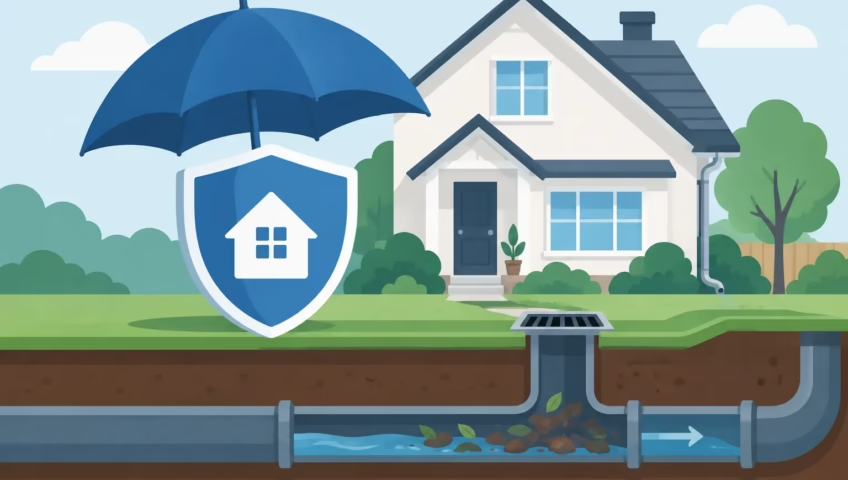
A blocked toilet, overflowing gully or sewage smell can turn from unpleasant to urgent very quickly. But does home insurance cover drainage when the problem is under the ground and out of sight? Sometimes, yes – but the answer usually depends on what caused the damage, where the pipe sits and the cover in your policy.
The key point is this: insurers are more likely to pay for sudden, accidental damage than a drain that has slowly deteriorated or become blocked through a lack of maintenance. Before authorising any repair, check your policy wording and speak to your insurer. Then get the issue inspected quickly, especially if wastewater is backing up into the property.
Does home insurance cover drainage damage?
Most buildings insurance policies can cover damage to underground drains, pipes and sewers that you are legally responsible for. This is often described as “accidental damage to underground services” or cover for pipes, cables and drains.
For example, a claim may be possible where a drain has collapsed unexpectedly, been damaged by tree roots, cracked because of ground movement or broken by an accident. If the damage has caused flooding or sewage to enter your home, insurers may also consider the related damage to insured parts of the building.
However, cover is never automatic. Policies vary widely, and some basic policies exclude accidental damage unless it has been added as an extra. There may also be different rules for shared drains, drains outside your boundary, private pumping systems and septic tanks.
If you rent your home, responsibility is usually with the landlord for the building and its drains. Tenants should still report a blocked or overflowing drain straight away, as delays can make damage worse. Landlords should check both their buildings policy and any specialist landlord cover.
What drainage problems might be covered?
A claim is more likely to be considered when there is a clear, identifiable event rather than a long-standing problem. A CCTV drain survey can be particularly useful here, as it shows the condition of the pipework and can help identify a collapse, displaced joint, root ingress or other physical defect.
Insurers may consider cover for:
- accidental damage to a buried drain or pipe;
- a sudden drain collapse or fracture;
- tree roots that have broken into and damaged pipework;
- impact damage from building works, vehicles or excavation;
- escape of water or sewage that causes insured damage inside the property; and
- tracing and accessing a hidden leak or damaged pipe, where this is included in the policy.
The phrase “may consider” matters. An insurer will usually want to establish the cause before agreeing to pay. They may request photographs, an engineer’s report, a survey recording or a quote for repairs. Do not arrange major excavation or replacement before speaking to them, unless there is an immediate safety or sanitation risk and they have told you to proceed.
Common exclusions: when drainage cover may not apply
The most frustrating drainage claims are often refused because the problem developed gradually. Insurance is designed for unexpected events, not routine upkeep. If fat, wipes, food waste, scale, silt or unsuitable items have caused a blockage, clearing the drain is normally your responsibility.
Wear and tear is another common exclusion. Older clay drains can crack, joints can fail and pipework can deteriorate over decades. Even when the repair is necessary, an insurer may say it is maintenance rather than an insured event. The same can apply where a drain has been repeatedly blocked but no action has been taken to investigate the underlying cause.
Many policies also exclude defects in workmanship, faulty design and damage that was known about before the policy started. If a homebuyer survey highlighted drainage concerns before you bought the property, it may be difficult to claim later for the same issue.
Flooding has separate rules too. Surface water entering from outside is not always treated in the same way as sewage backing up through your own private drains. Check whether your policy includes flood cover and whether excesses or limits apply.
Blocked drain or damaged drain: why the difference matters
A blockage is not necessarily a damaged drain. A kitchen drain blocked by cooking fat may need professional clearing but is unlikely to be an insurance matter. A toilet blockage caused by wipes may be similar.
A collapsed pipe, severe root ingress or a fractured drain is different. The immediate task is still to stop the backup and make the area safe, but the damage could give you grounds to contact your insurer. This is why a proper diagnosis is worth having before assuming the worst or paying for disruptive excavation.
Modern CCTV equipment can inspect the line from an access point, recording what is happening below ground. In many cases, a no-dig repair such as patch lining can resolve a local defect with far less disruption than digging up a driveway, patio or garden. Whether an insurer contributes will depend on the cause and policy terms, but a clear report gives everyone a better starting point.
What to do when you have a drainage emergency
If sewage is rising through a toilet, drain or gully, keep people and pets away from the affected area where possible. Avoid using sinks, toilets, showers, washing machines and dishwashers until the blockage has been assessed, as more water can make the overflow worse.
Start by taking a few photographs or a short video of the visible problem, provided it is safe to do so. Note when it started, which fixtures are affected and whether there has been recent building work, heavy rain or a history of slow drainage. This information can be useful to both the drainage engineer and insurer.
Then contact your insurer or emergency home assistance provider if you have one. Ask whether they need to appoint their own contractor, whether emergency unblocking is covered and what evidence they require before repair works begin. Keep the claim reference and the name of the person you speak to.
If you need immediate help to prevent further damage, use a qualified drainage company that can explain the fault honestly and provide written findings. Absolute Drainage can attend urgent drainage problems, clear blockages and carry out CCTV surveys to identify whether there is likely to be a repair issue behind the symptoms. Keep invoices, reports, survey footage and photographs, even if you are unsure whether you will make a claim.
Check your policy before trouble starts
The best time to understand drainage cover is before a blockage becomes an emergency. Look in your buildings insurance documents for sections covering accidental damage, underground services, trace and access, escape of water and home emergency assistance. Do not rely only on the policy summary, as the full wording contains the exclusions, limits and excess.
It is also worth finding out who owns the drain. In England, many shared sewers are maintained by the local water company, while private drains serving only your property are commonly your responsibility up to the point they connect with the public sewer. There are exceptions, particularly on older sites and rural properties, so ask the water company or a drainage professional if the ownership is unclear.
For homes with septic tanks or sewage treatment plants, standard buildings insurance may not cover emptying, routine servicing or every type of system failure. These systems need regular maintenance, and records of emptying and inspection can help demonstrate that you have looked after them properly.
Prevention can protect your home and your claim
No one can prevent every collapsed drain or root-related defect, but regular care reduces avoidable blockages. Keep wipes, sanitary products, cotton buds and fats out of toilets and sinks. Clear leaves from gullies, particularly before periods of heavy rain, and act on recurring smells, slow drainage or gurgling noises rather than waiting for an overflow.
For older properties, rental portfolios and busy commercial premises, planned drain cleaning and occasional CCTV checks can uncover issues early. That can save a great deal of mess and cost, while also giving you a record of maintenance if an insurer later asks how the drainage system has been managed.
When wastewater is involved, speed matters more than guesswork. Get the drain made safe, get the cause properly identified and speak to your insurer with clear evidence – then you can make the right decision for your property without letting a small problem become a major disruption.